
Growing your own fruits and vegetables can be fun and yield great tasting food. Whether you’re growing in a small vegetable garden, cultivating fruit trees, or maturing vine vegetables; Soil Service can help you each step of the way. Our trained staff can get you started on growing your own fruits and vegetables!
The Friendly, Knowledgeable Staff at Soil Service Can Help!
- What is the best way to care for a vegetable garden?
- Does the growing area have enough sunlight?
- How often and how much should I water my fruit and vegetable plants?
Give us a call or come by our Troost locations today! We have so many varieties to choose from.
Care notes & varietiesGrowing basics for the plants on this page, from our free My Garden app
Availability changes through the season, so call or stop by to check what’s in.
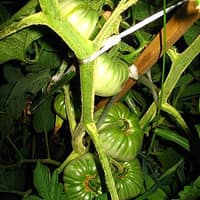
- Full sun
- Moderate – high water
- 2–8 ft. tall × 1.5–3 ft. wide
- Blooms May–frost
Kansas City: Warm-season garden staple that performs well with full sun, support, and consistent moisture.
- Pruning: Prune/stake according to type; remove diseased leaves
- Feeding: Moderate to heavy. At bed preparation or establishment, then during active production according to crop performance and soil fertility.
- Watering: Keep moisture reasonably consistent during active growth. Water at the soil line when practical and avoid repeated drought-to-saturation swings.
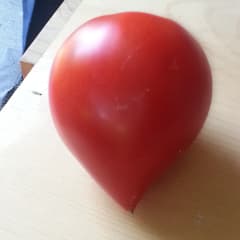 Amish PasteBeefy Boy
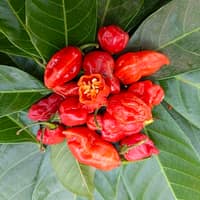
- Ornamental PepperFull sun · 10–24 in. tall
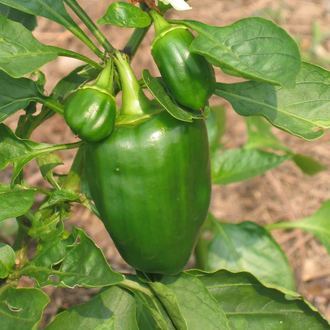 Sweet / Bell PepperFull sun · 1.5–3 ft. tall
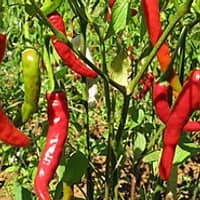 Hot / Spicy PepperFull sun · 1–4 ft., variety dependent tall
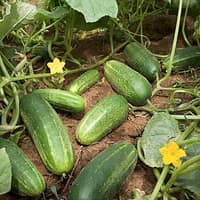
- Full sun
- High water
- 1–6 ft. vine tall × 3–6 ft. wide
- Blooms June–frost
Kansas City: Fast warm-season vine that produces heavily with full sun, water, and regular harvest.
- Pruning: Train vines; remove diseased foliage
- Feeding: Moderate to heavy. At bed preparation or establishment, then during active production according to crop performance and soil fertility.
- Watering: Keep moisture reasonably consistent during active growth. Water at the soil line when practical and avoid repeated drought-to-saturation swings.
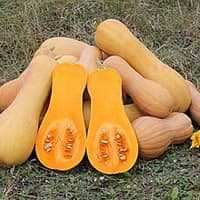
- Butternut SquashFull sun · 1–2 ft. vines 10–15 ft. tall
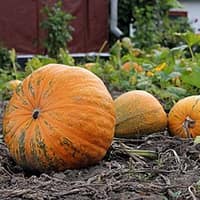 PumpkinFull sun · 1–2 ft. vines 10–20 ft. tall
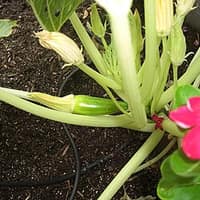 ZucchiniFull sun · 2–3 ft. tall
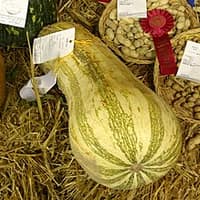 Cushaw SquashFull sun · 1–2 ft. tall
 Winter SquashFull sun · Vining tall
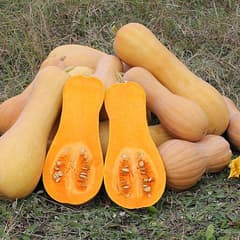 Butternut
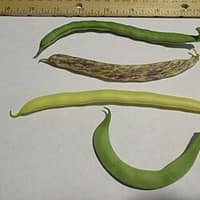
- Green BeanFull sun · 18–72 in. tall
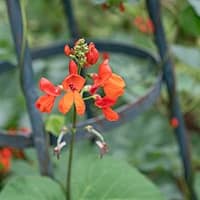 Scarlet Runner BeanFull sun · 8–12 ft. tall
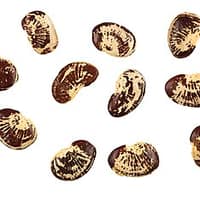 Lima BeanFull sun · Bush or pole types tall
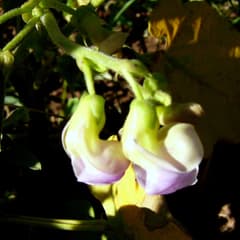 Contender
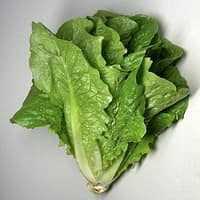
- Full sun – part shade
- Moderate water
- 6–12 in. tall × 6–12 in. wide
- Blooms Harvest spring/fall
Kansas City: Lettuce is a practical Kansas City home-garden crop when planted in its proper seasonal window.
- Pruning: Prune or train only where crop practice recommends it
- Feeding: Moderate to heavy. At bed preparation or establishment, then during active production according to crop performance and soil fertility.
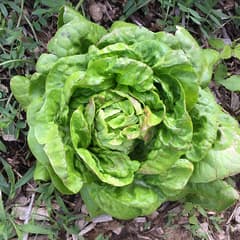 ButtercrunchCoastal Star
- BroccoliFull sun · 18–30 in. tall
 Brussels SproutsFull sun · 2–3 ft. tall
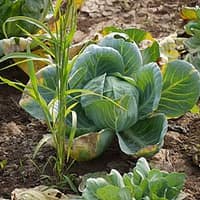 CabbageFull sun · 12–24 in. tall
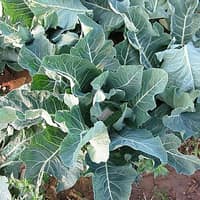 CauliflowerFull sun · 18–30 in. tall
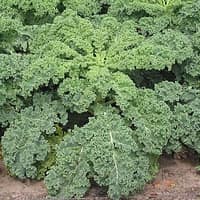 KaleFull sun · 18–36 in. tall
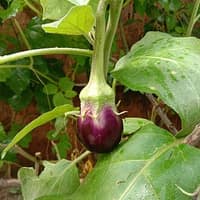
- Full sun
- Moderate and consistent water
- 2–4 ft. tall × 1–3 ft. wide
- Blooms Summer
Kansas City: Full sun, 2–4 ft tall; blooms summer.
- Feeding: Moderate to heavy. At establishment if needed, then during active production according to crop performance.
- Watering: Water thoroughly during establishment, then adjust to soil moisture, weather, and species-specific needs.
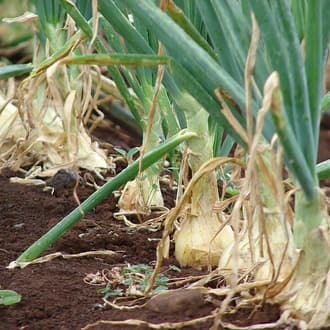
- Full sun
- Moderate and consistent water
- 1–1.5 ft. tall × 6 in.–1 ft. wide
- Blooms Summer
Kansas City: Full sun, 1–1.5 ft tall; blooms summer. Usually skipped by rabbits.
- Feeding: Moderate to heavy. At establishment if needed, then during active production according to crop performance.
- Watering: Water thoroughly during establishment, then adjust to soil moisture, weather, and species-specific needs.
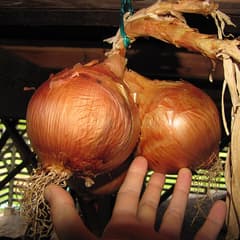 Candy
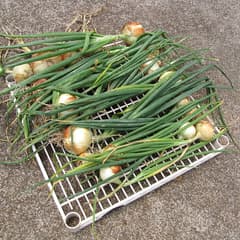 GranexPattersonRed Burgundy
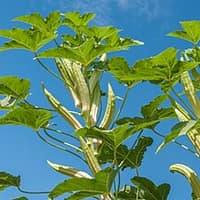
- Full sun
- Moderate water
- 3–6 ft. tall × 18–30 in. wide
- Blooms Harvest summer
Kansas City: Okra is a practical Kansas City home-garden crop when planted in its proper seasonal window.
- Pruning: Prune or train only where crop practice recommends it
- Feeding: Moderate to heavy. At bed preparation or establishment, then during active production according to crop performance and soil fertility.
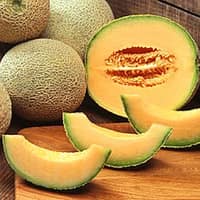
- Honeydew MelonFull sun
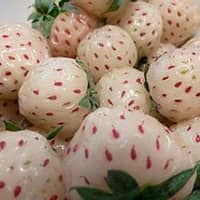
- Full sun
- Moderate water
- 6–12 in. tall × 1–2 ft. wide
- Blooms April–May; fruit May–June
- Zones 3–10
Kansas City: High-value small fruit for sunny beds, raised beds, and containers.
- Pruning: Renovate June-bearing beds after harvest
- Feeding: Light to moderate. Usually during active spring growth; repeat only when the plant’s needs justify it.
- Watering: Keep moisture reasonably consistent during active growth. Water at the soil line when practical and avoid repeated drought-to-saturation swings.
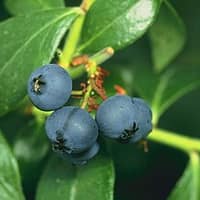
- Full sun
- Moderate water
- 4–8 ft. tall × 4–6 ft. wide
- Blooms May; fruit June–July
- Zones 4–8
Kansas City: Productive fruit shrub where soil acidity is correctly managed and more than one compatible cultivar is planted.
- Pruning: Prune late winter after establishment
- Feeding: Moderate. Early spring as active growth begins; repeat only if plant performance and soil conditions justify it.
- Watering: Keep moisture reasonably consistent during active growth. Water at the soil line when practical and avoid repeated drought-to-saturation swings.
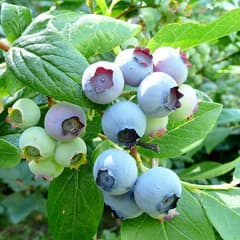 Bluecrop
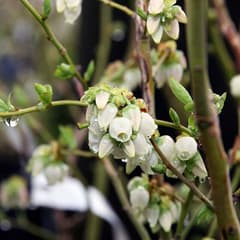 Bluejay
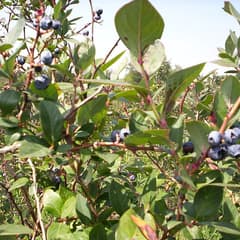 BluerayDuke
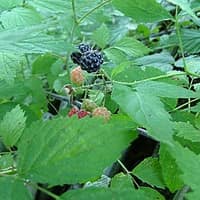
- Black RaspberryPart shade – full sun · 3–6 ft. tall
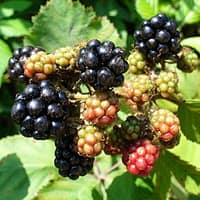 BlackberryFull sun
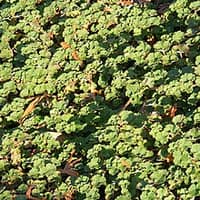 Creeping RaspberryFull sun – part shade
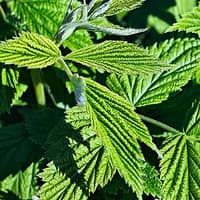 RaspberryFull sun
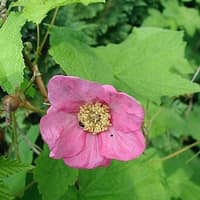 Flowering RaspberryPart shade · 3–6 ft. tall
Photo credits
- Tomatoes: Sridharlibrary / Wikimedia Commons, Public domain (source)
- 'Amish Paste': terri_bateman, CC0 (source)
- Peppers: Kod B / Wikimedia Commons, CC BY-SA 4.0 (source)
- Sweet / Bell Pepper: 阿橋 HQ / Wikimedia Commons, CC BY-SA 2.0 (source)
- Hot / Spicy Pepper: Vyacheslav Argenberg / Wikimedia Commons, CC BY 4.0 (source)
- Cucumbers: Stephen Ausmus, USDA ARS / Wikimedia Commons, Public domain (source)
- Squash & Zucchini: George Chernilevsky / Wikimedia Commons, Public domain (source)
- Pumpkin: George Chernilevsky / Wikimedia Commons, Public domain (source)
- Zucchini: Ginabovara / Wikimedia Commons, Public domain (source)
- Cushaw Squash: Ryan Somma / Wikimedia Commons, CC BY 2.0 (source)
- Winter Squash: Badagnani / Wikimedia Commons, CC BY-SA 3.0 (source)
- 'Butternut': George Chernilevsky, Public domain (source)
- Beans: Christopher Franz / Wikimedia Commons, CC BY-SA 4.0 (source)
- Scarlet Runner Bean: Mickaël Schauli / Wikimedia Commons, CC BY-SA 4.0 (source)
- Lima Bean: Roger Culos / Wikimedia Commons, CC BY-SA 3.0 (source)
- 'Contender': Victor M. Vicente Selvas, Public domain (source)
- Lettuce: Rainer Zenz / Wikimedia Commons, CC BY-SA 3.0 (source)
- 'Buttercrunch': Geo Lightspeed7, CC BY-SA 4.0 (source)
- Kale & Cabbage family: U.S. Department of Agriculture / Wikimedia Commons, Public domain (source)
- Brussels Sprouts: Jeffery Martin / Wikimedia Commons, CC0 (source)
- Cabbage: Dinesh Valke / Wikimedia Commons, CC BY-SA 2.0 (source)
- Cauliflower: Georg Slickers / Wikimedia Commons, CC BY-SA 4.0 (source)
- Kale: Rasbak / Wikimedia Commons, CC BY-SA 3.0 (source)
- Eggplant: Billjones94 / Wikimedia Commons, CC BY-SA 4.0 (source)
- Onions: Forest & Kim Starr / Wikimedia Commons, CC BY 3.0 (source)
- 'Candy': Forest and Kim Starr, CC BY 3.0 us (source)
- 'Granex': Forest and Kim Starr, CC BY 3.0 us (source)
- Okra: Wilfredor / Wikimedia Commons, CC0 (source)
- Melons: USDA photo by Scott Bauer. Image Number K7355-11. / Wikimedia Commons, Public domain (source)
- Strawberries: Emmbean / Wikimedia Commons, CC BY 3.0 (source)
- Blueberries: The original Uploader was Oven Fresh at English Wikipedia / Wikimedia Commons, Public domain (source)
- 'Bluecrop': Jonathan Billinger, CC BY-SA 2.0 (source)
- 'Bluejay': Photo by David J. Stang, CC BY-SA 4.0 (source)
- 'Blueray': User: (WT-shared) OHWiki at wts wikivoyage, Public domain (source)
- Raspberries & Blackberries: Cstaffa at English Wikipedia / Wikimedia Commons, Public domain (source)
- Blackberry: George Chernilevsky / Wikimedia Commons, Public domain (source)
- Creeping Raspberry: The original uploader was J.smith at English Wikipedia. (Original text: en:user: / Wikimedia Commons, CC BY-SA 3.0 (source)
- Raspberry: Didier Descouens / Wikimedia Commons, CC BY-SA 4.0 (source)
- Flowering Raspberry: No machine-readable author provided. Sten assumed (based on copyright claims). / Wikimedia Commons, CC BY-SA 3.0 (source)


