- Should I grow in a container or a garden?
- What is the difference between growing inside or out?
- When can I harvest my herbs?
Care notes & varietiesGrowing basics for the plants on this page, from our free My Garden app
Availability changes through the season, so call or stop by to check what’s in.
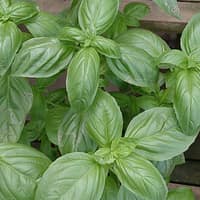
- Sweet BasilFull sun · 1–2.5 ft. tall
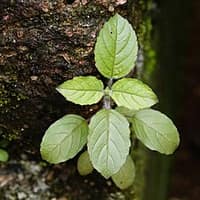 Holy BasilFull sun · Up to 3 ft. tall
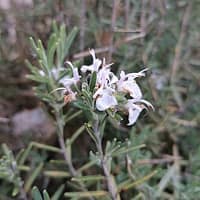
- Full sun
- Low water
- 2–4 ft. tall × 2–4 ft. wide
- Blooms Summer
- Zones 7–10
Kansas City: Excellent culinary herb for containers, but not reliably winter hardy outdoors in Kansas City.
- Pruning: Prune lightly through growing season
- Feeding: Moderate to heavy. Begin as spring growth starts; repeat-blooming roses may benefit from a light feeding after the first major bloom cycle.
- Watering: Keep moisture reasonably consistent during active growth. Water at the soil line when practical and avoid repeated drought-to-saturation swings.
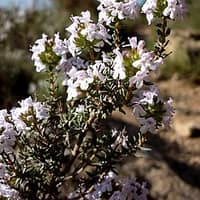
- Full sun to part sun
- Moderate water
- 6 in.–1 ft. tall × 6 in.–1.3 ft. wide
- Blooms Spring–summer
- Zones 5–9
Kansas City: Full sun to part sun, 6 in.–1 ft tall; blooms spring–summer. Deer resistant.
- Feeding: Light. At establishment if needed; light follow-up after harvest only when growth warrants it.
- Watering: Water thoroughly during establishment, then adjust to soil moisture, weather, and species-specific needs.
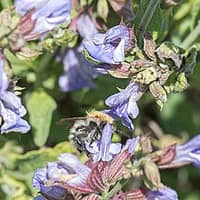
- Full sun to part sun
- Moderate water
- 1–2 ft. tall × 2–3 ft. wide
- Blooms Summer
- Zones 4–8
Kansas City: Full sun to part sun, 1–2 ft tall; blooms summer. Deer resistant.
- Feeding: Light. At establishment if needed; light follow-up after harvest only when growth warrants it.
- Watering: Water thoroughly during establishment, then adjust to soil moisture, weather, and species-specific needs.
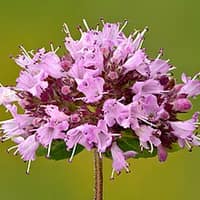
- Full sun to part sun
- Moderate water
- 1–3 ft. tall × 1–2 ft. wide
- Blooms Spring–summer
- Zones 4–8
Kansas City: Full sun to part sun, 1–3 ft tall; blooms spring–summer. Deer resistant and usually skipped by rabbits.
- Feeding: Light. At establishment if needed; light follow-up after harvest only when growth warrants it.
- Watering: Water thoroughly during establishment, then adjust to soil moisture, weather, and species-specific needs.
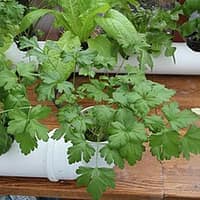
- Full sun – part shade
- Moderate water
- 1–1.5 ft. tall × 1 ft. wide
- Blooms Second year
Kansas City: Cool-tolerant herb that produces well in spring and fall and hosts black swallowtail caterpillars.
- Pruning: Harvest outer stems; remove flower stalk if growing for leaves
- Feeding: Moderate to heavy. Begin as spring growth starts; repeat-blooming roses may benefit from a light feeding after the first major bloom cycle.
- Watering: Keep moisture reasonably consistent during active growth. Water at the soil line when practical and avoid repeated drought-to-saturation swings.
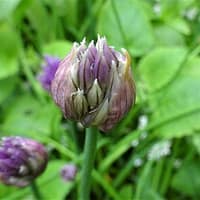
- Full sun to part sun
- Moderate water
- 1–1.5 ft. tall × 1–1.4 ft. wide
- Blooms Spring–summer
- Zones 4–8
Kansas City: Full sun to part sun, 1–1.5 ft tall; blooms spring–summer.
- Feeding: Light. At establishment if needed; light follow-up after harvest only when growth warrants it.
- Watering: Water thoroughly during establishment, then adjust to soil moisture, weather, and species-specific needs.
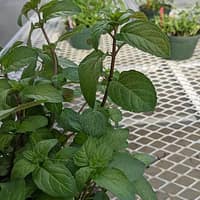
- PeppermintFull sun – part shade · 1–3 ft. tall
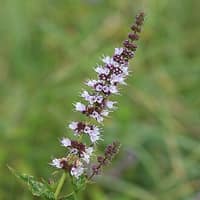 SpearmintFull sun to part sun · 1–2 ft. tall
- Full sun to part sun
- Moderate water
- 1–2 ft. tall × 1–2 ft. wide
- Blooms Summer
Kansas City: Full sun to part sun, 1–2 ft tall; blooms summer.
- Feeding: Light. At establishment if needed; light follow-up after harvest only when growth warrants it.
- Watering: Water thoroughly during establishment, then adjust to soil moisture, weather, and species-specific needs.
- Full sun to part sun
- Moderate water
- 2.5–5 ft. tall × 2–3 ft. wide
- Blooms Summer
Kansas City: Full sun to part sun, 2.5–5 ft tall; blooms summer. Deer resistant.
- Feeding: Light. At establishment if needed; light follow-up after harvest only when growth warrants it.
- Watering: Water thoroughly during establishment, then adjust to soil moisture, weather, and species-specific needs.
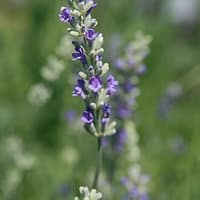
- English Lavender MunsteadFull sun to part sun · 1–2 ft. tall
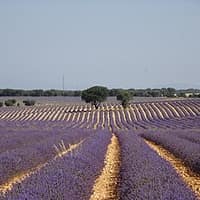 LavandinFull sun · 2–3 ft. tall
- Full sun – part shade
- Low – moderate water
- 1.5–2 ft. tall × 1.5–3 ft. wide
- Blooms June–August
- Zones 3–7
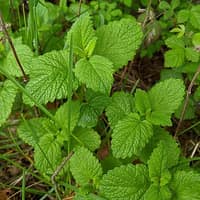
Kansas City: Lemon-scented leaves for tea; easy and drought tolerant.
- Pruning: Cut back spent flower stalks to keep it tidy
- Feeding: Light to moderate. Early spring as growth resumes; repeat only for active feeders or repeat bloomers.
- Watering: Water regularly during establishment.
Photo credits
- Basil: Mokkie / Wikimedia Commons, CC BY-SA 3.0 (source)
- Holy Basil: Vengolis / Wikimedia Commons, CC BY-SA 4.0 (source)
- Rosemary: Abraham / Wikimedia Commons, CC BY 4.0 (source)
- Thyme: Isidre blanc / Wikimedia Commons, CC BY-SA 4.0 (source)
- Sage: Flocci Nivis / Wikimedia Commons, CC BY 4.0 (source)
- Oregano: Ivar Leidus / Wikimedia Commons, CC BY-SA 4.0 (source)
- Parsley: dalli58 / Wikimedia Commons, CC BY-SA 2.0 (source)
- Chives: Rosser1954 / Wikimedia Commons, CC BY-SA 4.0 (source)
- Mint: Joshua T Polito / Wikimedia Commons, CC0 (source)
- Spearmint: Björn S. / Wikimedia Commons, CC BY-SA 2.0 (source)
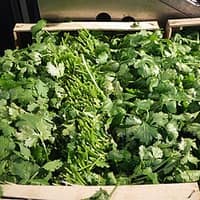
- Cilantro: Josef Schlaghecken / Wikimedia Commons, CC BY-SA 4.0 (source)
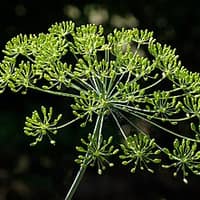
- Dill: JLPC / Wikimedia Commons, CC BY-SA 3.0 (source)
- Lavender: David J. Stang / Wikimedia Commons, CC BY-SA 4.0 (source)
- Lavandin: Triplecaña / Wikimedia Commons, CC BY-SA 4.0 (source)
- Lemon Balm: Ben Keen / Wikimedia Commons, CC BY 4.0 (source)
