 We sell a variety of native plants for Kansas City region. Listed below are items we typically bring in each season:
Perennials:
- Sun: Echinacea (Coneflower), Milkweeds, Baptisia, Rattlesnake Master, Goldenrod, Liatris, Phlox, Native Sedums, Coreopsis, Meadowsweet, Primrose, Senecio, Spiderwort, False Sunflower
- Shade: Maidenhair Fern, Ostrich Fern, Lady Fern, Christmas Fern, Wild Geranium, Columbine, Snakeroot, Wild Ginger, Horsetail, Jacobs Ladder, Dwarf Crested Iris, Mayapple
- Rain Garden: Lobelia, Southern Blue Flag, Rudbeckia (Black-eyed Susan), Sedges, Aster, Swamp Milkweed, Turtlehead, Mountain Mint, Golden Alexander
- Grasses: Grama, Prairie Dropseed, Big Bluestem, Little Bluestem, Switch Grass, Northern Sea Oats/ River Oats
- Vines: Bittersweet, Crossvine, Clematis vir., Virginia Creeper
- Spring Ephemerals: Jack-in-the-Pulpit, Bloodroot, Celandine Poppy, Virginia Bluebells, Shooting Star
- Pond Plants: Water Lilies, Rushes
- Witch Hazel, Ninebark, Spicebush, Winterberry, Buttonbush, Sumac, Coralberry, Elderberry, Gooseberries, Currants, Raspberry/ Blackberries, Wild Hydrangea, Buckeye, New Jersey Tea, Dogwood, Viburnum, Sweetspire (Itea), Chokecherry
- Redbud, Pecan, Basswood, Oaks, Hickory, Sassafras, Black Gum, Maples, Catalpa, Bald Cypress, River Birch, Pawpaw, Tulip Poplar, Fringe Tree, Yellow Wood, American Hornbeam, Eastern Red Cedar/ Juniper
Care notes & varietiesGrowing basics for the plants on this page, from our free My Garden app
Availability changes through the season, so call or stop by to check what’s in.
Sun
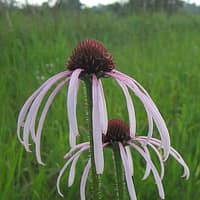
- Glade ConeflowerFull sun · 1.3–4 ft. tall
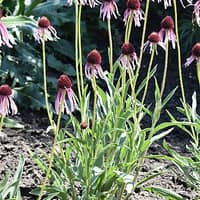 Narrow-leaf ConeflowerFull sun – part shade · 1–2 ft. tall
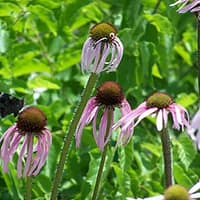 Pale Purple ConeflowerFull sun · 2–3 ft. tall
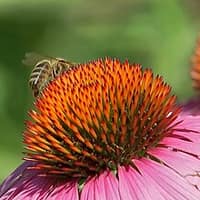 Purple ConeflowerFull sun – part shade · 2–4 ft. tall
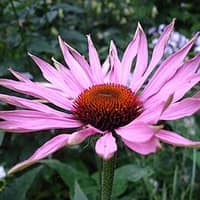 Yellow ConeflowerFull sun – part shade · 2–3 ft. tall
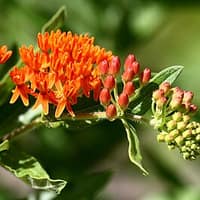
- Butterfly WeedFull sun · 1.5–2.5 ft. tall
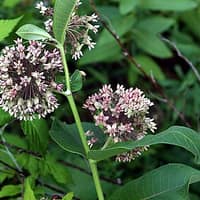 Common MilkweedFull sun · 3–5 ft. tall
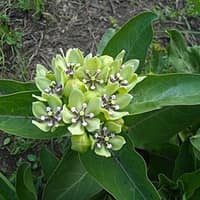 Green AntelopehornFull sun · 1.5–2.5 ft. tall
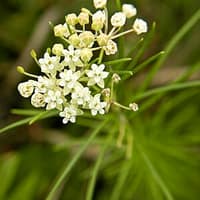 Whorled MilkweedFull sun – part shade · 1–2.5 ft. tall
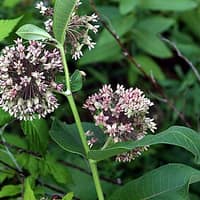 Purple MilkweedFull sun – part shade · 2–3 ft. tall
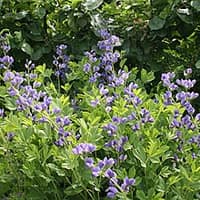
- Blue False IndigoFull sun – part shade · 3–4 ft. tall
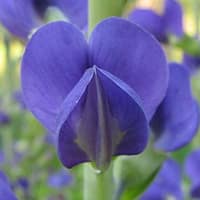 Blue Wild IndigoFull sun · 1.5–2.5 ft. tall
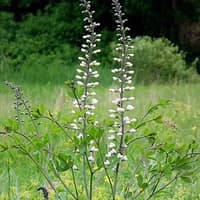 White Wild IndigoFull sun · 3–5 ft. tall
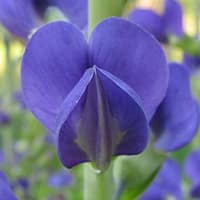 Yellow Wild IndigoFull sun · 2–3 ft. tall
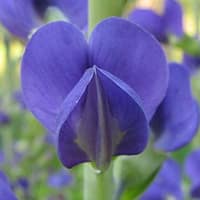 BaptisiaFull sun – part shade · 3–4 ft. tall
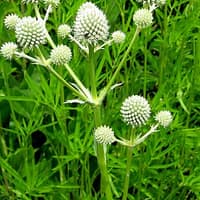
- Full sun
- Low water
- 3–5 ft. tall × 1.5–3 ft. wide
- Blooms June–August
- Zones 3–8
Kansas City: Full sun, 3–5 ft tall; blooms June–August. A pollinator favorite.
- Pruning: Cut back dormant stems in late winter or early spring; deadhead if desired.
- Feeding: Light to moderate. Early spring as growth resumes; repeat only for active feeders or repeat bloomers.
- Watering: Drought tolerant once established; water during establishment and prolonged drought.
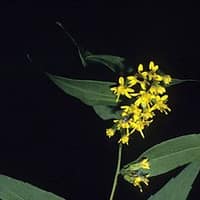
- Blue-Stemmed GoldenrodPart sun – part shade · 1–3 ft. tall
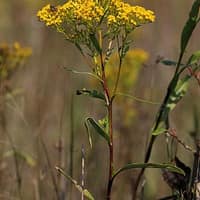 Ohio GoldenrodFull sun · 3–4 ft. tall
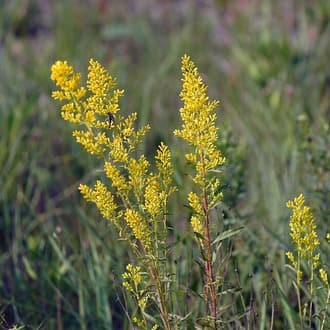 Showy GoldenrodFull sun · 2–4 ft. tall
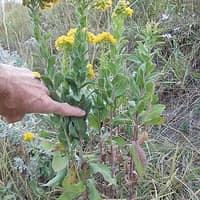 Stiff GoldenrodFull sun · 3–5 ft. tall
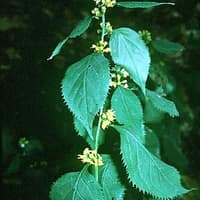 Zigzag GoldenrodPart shade – shade · 2–3 ft. tall
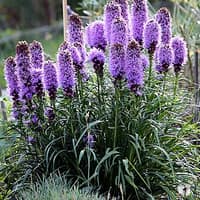
- Dense Blazing StarFull sun · 2–4 ft. tall
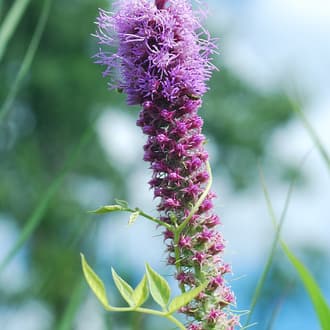 Prairie Blazing StarFull sun · 3–5 ft. tall
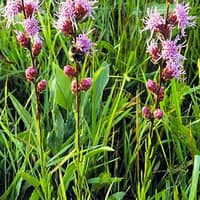 Rough Blazing StarFull sun – part shade · 2–3 ft. tall
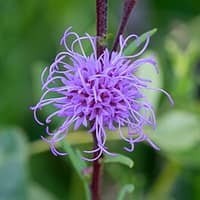 Meadow Blazing StarFull sun · 1–3 ft. tall
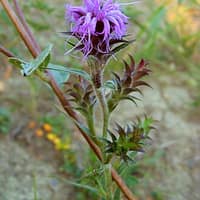 Scaly Blazing StarFull sun · 1–2.5 ft. tall
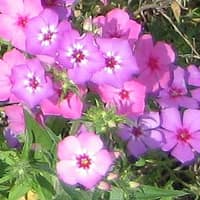
- Annual PhloxFull sun – part sun · 6–18 in. tall
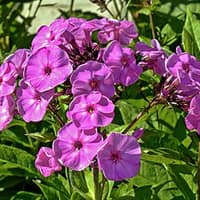 Garden PhloxFull sun – part shade · 3–5 ft. tall
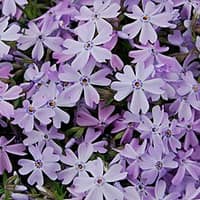 Moss PhloxFull sun · 0.25–0.5 ft. tall
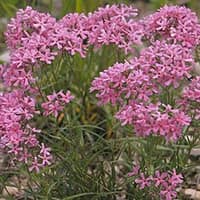 Prairie PhloxFull sun – part shade · 1–2 ft. tall
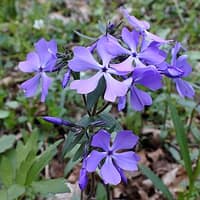 Woodland PhloxPart shade · 1–1.5 ft. tall
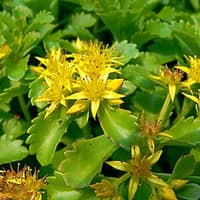
- Orange StonecropFull sun · 3–7 in. tall
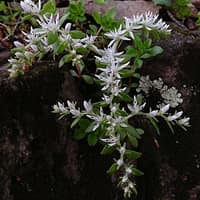 Woodland StonecropPart shade – shade · 3–6 in. tall
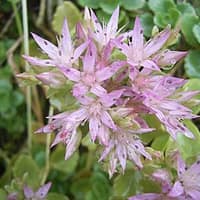 Dragon's Blood StonecropPart shade · 2–6 in. tall
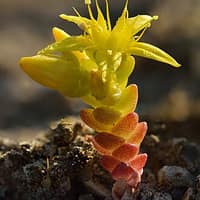 Goldmoss StonecropFull sun – part shade · 1–4 in. tall
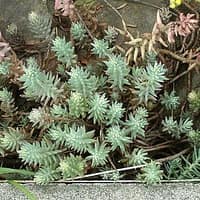 Sedum Angelina4–6 in. tall
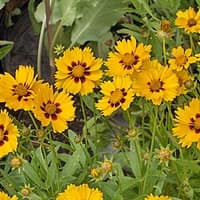
- Lanceleaf CoreopsisFull sun · 1–2 ft. tall
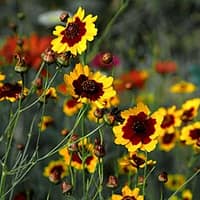 Plains CoreopsisFull sun · 18–36 in. tall
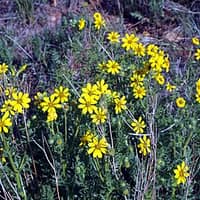 Prairie CoreopsisFull sun · 1–2.5 ft. tall
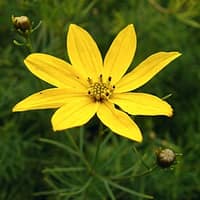 Threadleaf CoreopsisFull sun · 1.5–2.5 ft. tall
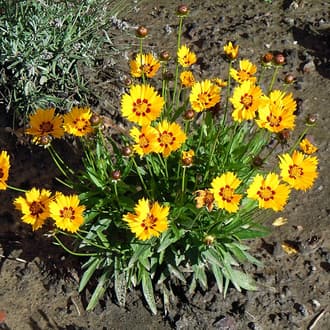 TickseedFull sun · 1–2 ft. tall
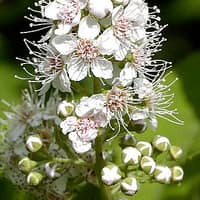
- Meadowsweet SpireaFull sun – part shade · 3–4 ft. tall
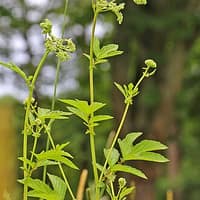 MeadowsweetFull sun – part shade · 3–6 ft. tall
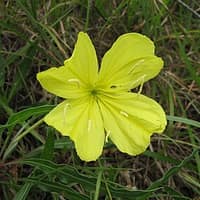
- Missouri Evening PrimroseFull sun · 0.5–1 ft. tall
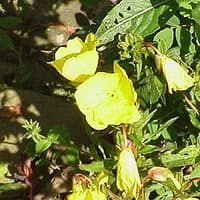 SundropsFull sun · 1–2 ft. tall
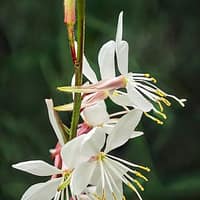 GauraFull sun – part shade · 3–5 ft. tall
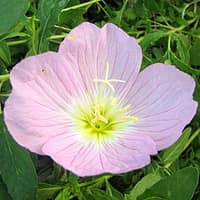 Showy Evening PrimroseFull sun – part shade · 1–2 ft. tall
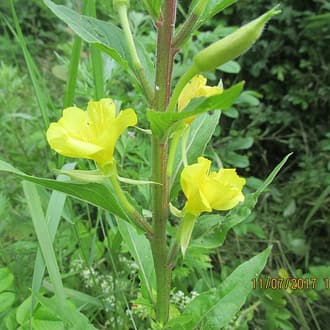 Common Evening PrimroseFull sun – part shade · 3–5 ft. tall
- Golden RagwortFull sun – part shade · 0.5–2.5 ft. tall
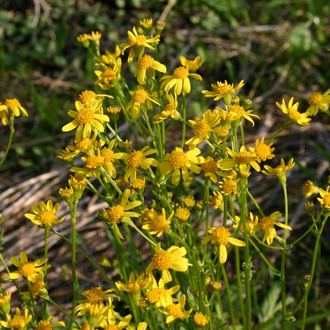 Roundleaf GroundselPart shade – shade · 1–2 ft. in flower tall
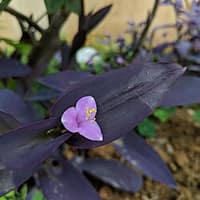
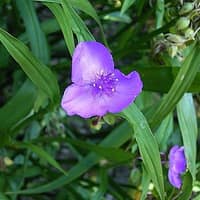 Ohio SpiderwortFull sun – shade · 2–3 ft. tall
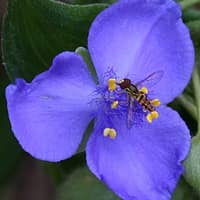 Virginia SpiderwortFull sun – shade · 1.5–3 ft. tall
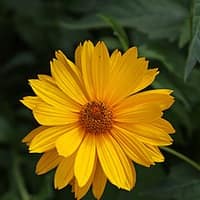
- Full sun
- Low – moderate water
- 3–5 ft. tall × 2–3 ft. wide
- Blooms June–September
- Zones 3–9
Kansas City: Long-blooming native perennial with sunflower-like flowers that tolerates heat and average soils.
- Pruning: Cut back late winter; deadhead for rebloom
- Feeding: Light to moderate. Early spring as growth resumes; repeat only for active feeders or repeat bloomers.
- Watering: Water regularly during establishment.
Shade
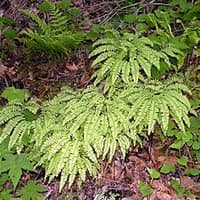
- Part shade – shade
- Moderate water
- 1–3 ft. tall × 1.5–3 ft. wide
- Blooms No flowers (fern)
- Zones 3–8
Kansas City: Delicate fan-shaped fronds on dark stems for rich, moist shade.
- Pruning: Remove dead fronds in early spring
- Feeding: Light to moderate. Early spring as growth resumes; repeat only for active feeders or repeat bloomers.
- Watering: Water regularly during establishment.
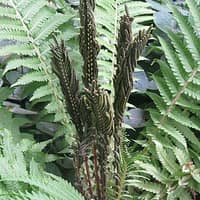
- Part shade – shade
- Moderate – high water
- 3–5 ft. tall × 2–4 ft. wide
- Blooms No flowers (fern)
- Zones 3–8
Kansas City: Bold, vase-shaped fern for moist shade and wet spots.
- Pruning: Remove old fronds in early spring
- Feeding: Light to moderate. Early spring as growth resumes; repeat only for active feeders or repeat bloomers.
- Watering: Water regularly during establishment.
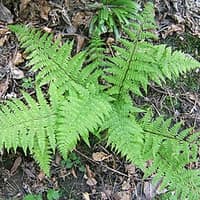
- Part shade – shade
- Moderate water
- 2–3 ft. tall × 1–3 ft. wide
- Blooms No flowers (fern)
- Zones 3–7
Kansas City: Lacy, bright green fronds for moist shade; one of the easiest ferns to grow.
- Pruning: Remove old fronds in early spring before new growth
- Feeding: Light to moderate. Early spring as growth resumes; repeat only for active feeders or repeat bloomers.
- Watering: Water regularly during establishment.
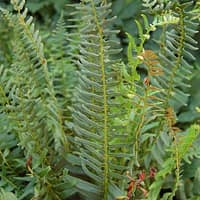
- Part shade – shade
- Low – moderate water
- 1–3 ft. tall × 1–3 ft. wide
- Blooms No flowers (fern)
- Zones 3–9
Kansas City: Evergreen native fern for dry to average shade; green through winter.
- Pruning: Remove old fronds in early spring
- Feeding: Light to moderate. Early spring as growth resumes; repeat only for active feeders or repeat bloomers.
- Watering: Water regularly during establishment.
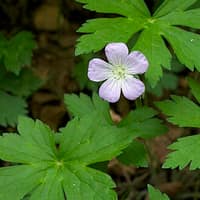
- Part sun – shade
- Moderate water
- 1–2 ft. tall × 1.5–3 ft. wide
- Blooms April–June
- Zones 3–8
Kansas City: Part sun – shade, 1–2 ft tall; blooms April–June. A pollinator favorite and usually skipped by rabbits.
- Pruning: Cut back dormant stems in late winter or early spring; deadhead if desired.
- Feeding: Light to moderate. Early spring as growth resumes; repeat only for active feeders or repeat bloomers.
- Watering: Provide even moisture during establishment; after establishment, water according to the species moisture preference and weather.
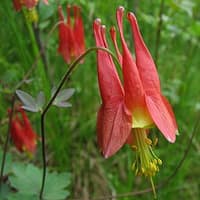
- Part sun – part shade
- Moderate water
- 1.5–2.5 ft. tall × 1–1.5 ft. wide
- Blooms April–June
- Zones 3–8
Kansas City: Native spring perennial for woodland edges that supports hummingbirds and early pollinators.
- Pruning: Allow some seed; cut back tired foliage
- Feeding: Light to moderate. Early spring as growth resumes; repeat only for active feeders or repeat bloomers.
- Watering: Water regularly during establishment.
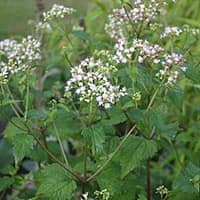
- Part shade – shade
- Moderate water
- 2–4 ft. tall × 1.5–3 ft. wide
- Blooms August–October
- Zones 3–8
Kansas City: Part shade – shade, 2–4 ft tall; blooms August–October. Deer resistant.
- Pruning: Cut back dormant stems in late winter or early spring; deadhead if desired.
- Feeding: Light to moderate. Early spring as growth resumes; repeat only for active feeders or repeat bloomers.
- Watering: Provide even moisture during establishment; after establishment, water according to the species moisture preference and weather.
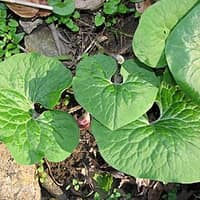
- Shade
- Moderate water
- 4–8 in. tall × 12–24 in. wide
- Blooms April–May
- Zones 4–8
Kansas City: Shade, 4–8 in tall; blooms April–May. Deer resistant.
- Pruning: Trim or thin as needed to control spread
- Feeding: Light to moderate. Usually during active spring growth; repeat only when the plant’s needs justify it.
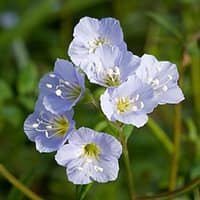
- Part shade
- Moderate water
- 1–1.5 ft. tall × 1.5–3 ft. wide
- Blooms April–May
- Zones 3–8
Kansas City: Part shade, 1–1.5 ft tall; blooms April–May. Deer resistant.
- Pruning: Cut back dormant stems in late winter or early spring; deadhead if desired.
- Feeding: Light to moderate. Early spring as growth resumes; repeat only for active feeders or repeat bloomers.
- Watering: Provide even moisture during establishment; after establishment, water according to the species moisture preference and weather.
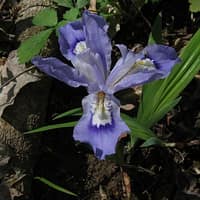
- Part shade
- Moderate water
- 4–9 in. tall × 0.5–1 ft. wide
- Blooms April–May
- Zones 3–9
Kansas City: Small native iris that spreads into a spring carpet in light shade.
- Pruning: None needed
- Feeding: Light to moderate. Early spring as growth resumes; repeat only for active feeders or repeat bloomers.
- Watering: Water regularly during establishment.
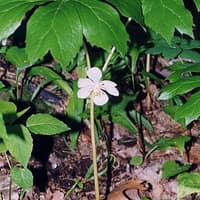
- Part shade – shade
- Moderate water
- 1–1.5 ft. tall × 0.75–1 ft. wide
- Blooms April–May
- Zones 3–8
Kansas City: Umbrella-like leaves form a spring carpet in woodland shade.
- Pruning: None needed
- Feeding: Light to moderate. Early spring as growth resumes; repeat only for active feeders or repeat bloomers.
- Watering: Water regularly during establishment.
Rain garden
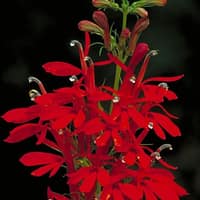
- Cardinal FlowerFull sun – part shade · 2–4 ft. tall
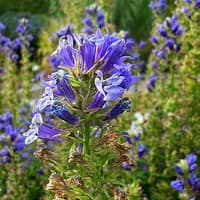 Great Blue LobeliaFull sun – part shade · 2–3 ft. tall
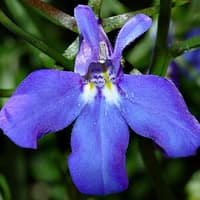 LobeliaPart sun – part shade · 4–10 in. tall
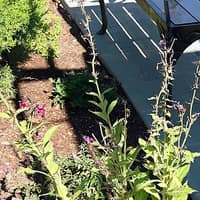 Blue Cardinal FlowerFull sun – part shade · 2–3 ft. tall
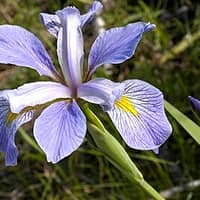
- Full sun – part shade
- High water
- 1–2.5 ft. tall × 1–3 ft. wide
- Blooms May–June
- Zones 5–9
Kansas City: Blue native iris for rain gardens, pond edges and wet spots.
- Pruning: Cut back old foliage in fall
- Feeding: Light to moderate. Early spring as growth resumes; repeat only for active feeders or repeat bloomers.
- Watering: Water regularly during establishment.
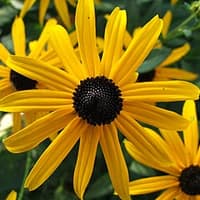
- Black-Eyed SusanFull sun · 2–3 ft. tall
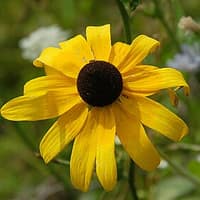 Black-eyed Susan (Annual)Full sun – part shade · 2–4 ft. tall
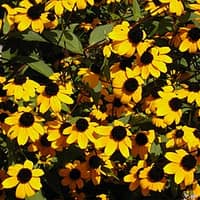 Brown-Eyed SusanFull sun – part shade · 2–5 ft. tall
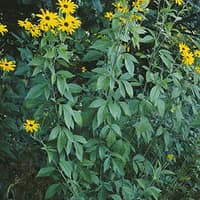 Sweet ConeflowerFull sun – part shade · 3–5 ft. tall
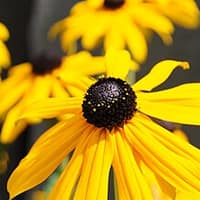 Black-eyed Susan American Gold RushFull sun · 2–3 ft. tall
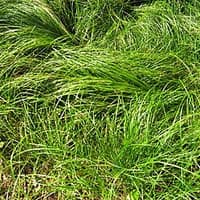
- Pennsylvania SedgePart shade – shade · 8–12 in. tall
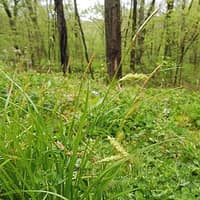 Cherokee SedgeFull sun – part shade · 1–2 ft. tall
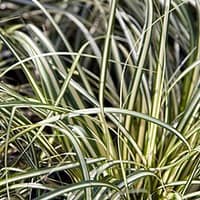 Japanese Sedge EvergoldFull sun to part sun · 1–1.5 ft. tall
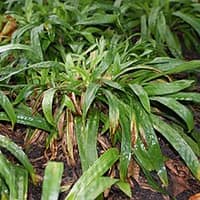 Plantainleaf SedgePart shade – shade · 6 in.–1 ft. tall
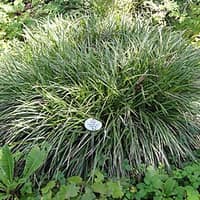 Sedge Ice DancePart shade – shade · 1–1.5 ft. tall
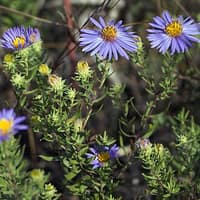
- Aromatic AsterFull sun · 1–3 ft. tall
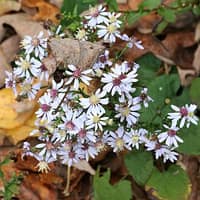 Blue Wood AsterFull sun – part shade · 1–4 ft. tall
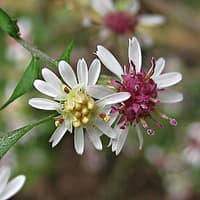 Calico AsterPart sun – part shade · 2–4 ft. tall
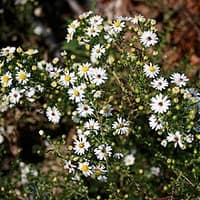 Heath AsterFull sun · 1.5–3 ft. tall
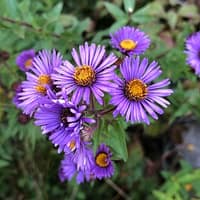 New England AsterFull sun · 3–6 ft. tall
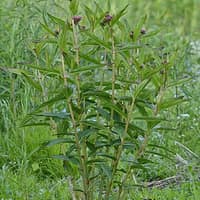
- Full sun – part shade
- Moderate – high water
- 3–5 ft. tall × 2–3 ft. wide
- Blooms Summer–fall
- Zones 3–9
Kansas City: Full sun – part shade, 3–5 ft tall; blooms summer–fall. Native to the Kansas City region, a pollinator favorite, and deer resistant.
- Feeding: Light to moderate. Early spring as growth resumes; repeat only for active feeders or repeat bloomers.
- Watering: Water thoroughly during establishment, then match irrigation to soil moisture, weather, and the plant’s species-specific needs.
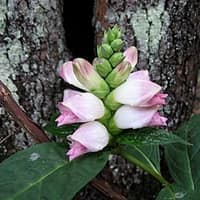
- Full sun – part shade
- Moderate during establishment water
- 1–3 ft. tall × 1–2 ft. wide
- Blooms Summer–fall
- Zones 3–8
Kansas City: Full sun – part shade, 1–3 ft tall; blooms summer–fall.
- Feeding: Light to moderate. Early spring if needed; repeat only for active feeders or repeat bloomers.
- Watering: Water thoroughly during establishment, then adjust to soil moisture, weather, and species-specific needs.
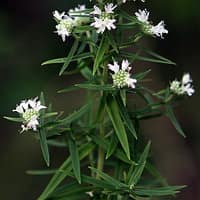
- Full sun – part shade
- Low – moderate water
- 2–3 ft. tall × 1.5–3 ft. wide
- Blooms July–September
- Zones 3–8
Kansas City: Full sun – part shade, 2–3 ft tall; blooms July–September.
- Pruning: Cut back dormant stems in late winter or early spring; deadhead if desired.
- Feeding: Light to moderate. Early spring as growth resumes; repeat only for active feeders or repeat bloomers.
- Watering: Drought tolerant once established; water during establishment and prolonged drought.
- Full sun – part shade
- Moderate water
- 1.5–3 ft. tall × 2–4 ft. wide
- Blooms April–June
- Zones 3–8
Kansas City: Full sun – part shade, 1.5–3 ft tall; blooms April–June. Native to the Kansas City region and a pollinator favorite.
- Pruning: Cut back dormant stems in late winter or early spring; deadhead if desired.
- Feeding: Light to moderate. Early spring as growth resumes; repeat only for active feeders or repeat bloomers.
- Watering: Provide even moisture during establishment; after establishment, water according to the species moisture preference and weather.
Grasses
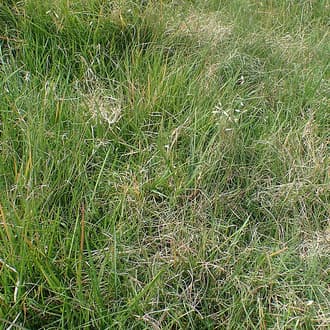
- BuffalograssFull sun · 4–8 in. tall
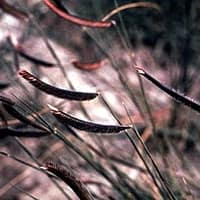 Blue GramaFull sun · 12–24 in. tall
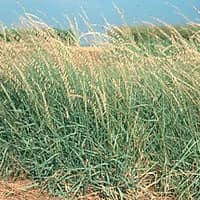 Sideoats GramaFull sun · 2–3 ft. tall
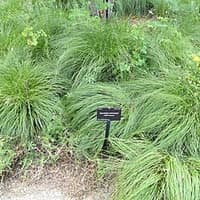
- Full sun
- Low water
- 2–3 ft. tall × 2–3 ft. wide
- Blooms August–September
- Zones 3–9
Kansas City: Full sun, 2–3 ft tall; blooms August–September.
- Pruning: Cut back late winter before new growth
- Feeding: Light to moderate. Usually during active spring growth; repeat only when the plant’s needs justify it.
- Watering: Water regularly while establishing, then allow some drying between deep waterings once established.
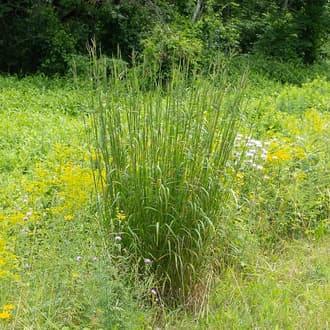
- Full sun
- Low water
- 4–7 ft. tall × 2–3 ft. wide
- Blooms August–October
- Zones 3–9
Kansas City: Full sun, 4–7 ft tall; blooms August–October. Deer resistant.
- Pruning: Cut back late winter before new growth
- Feeding: Light to moderate. Usually during active spring growth; repeat only when the plant’s needs justify it.
- Watering: Water regularly while establishing, then allow some drying between deep waterings once established.
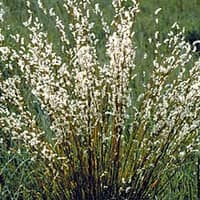
- Full sun
- Low water
- 2–4 ft. tall × 1.5–2 ft. wide
- Blooms August–September
- Zones 3–9
Kansas City: Native prairie grass with blue-green summer foliage and copper-red fall color.
- Pruning: Cut to 4–6 inches in late winter
- Feeding: Light to moderate. Usually during active spring growth; repeat only when the plant’s needs justify it.
- Watering: Water regularly during establishment.
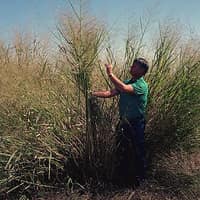
- Full sun
- Low water
- 3–6 ft. tall × 2–4 ft. wide
- Blooms July–September
- Zones 4–9
Kansas City: Native warm-season grass with strong upright form, fall color, and winter structure.
- Pruning: Cut to 4–8 inches in late winter
- Feeding: Light to moderate. Usually during active spring growth; repeat only when the plant’s needs justify it.
- Watering: Water regularly during establishment.
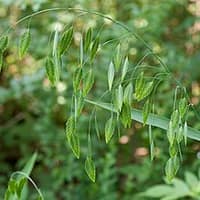
- Part sun – shade
- Moderate water
- 2–4 ft. tall × 2–3 ft. wide
- Blooms July–winter
- Zones 3–8
Kansas City: Part sun – shade, 2–4 ft tall; blooms July–winter. Deer resistant.
- Pruning: Cut back late winter before new growth
- Feeding: Light to moderate. Usually during active spring growth; repeat only when the plant’s needs justify it.
Vines
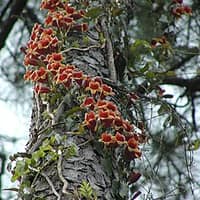
- Full sun – part shade
- Moderate water
- 30–50 ft. tall × 6–9 ft. wide
- Blooms April–May
- Zones 5–9
Kansas City: Orange-red spring trumpets for hummingbirds; a better-behaved alternative to trumpet creeper.
- Pruning: After flowering
- Feeding: Light to moderate. If needed, feed during spring growth.
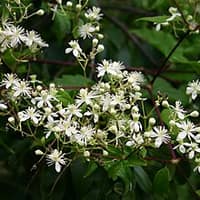
- Full sun – shade
- Moderate during establishment water
- 15–20 ft. tall × 3–6 ft. wide
- Blooms Fall
- Zones 6–8
Kansas City: Full sun – shade, 15–20 ft tall; blooms fall.
- Watering: Water thoroughly during establishment, then adjust to soil moisture, weather, and species-specific needs.
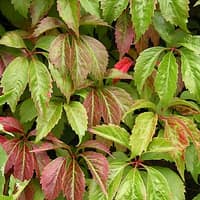
- Full sun – shade
- Low – moderate water
- 30–50 ft. tall × 5–10 ft. wide
- Blooms Foliage; berries fall
- Zones 3–9
Kansas City: Full sun – shade, 30–50 ft tall; blooms Foliage.
- Pruning: Train and prune according to bloom habit
- Feeding: Light to moderate. Usually during active spring growth; repeat only when the plant’s needs justify it.
- Watering: Water regularly while establishing, then allow some drying between deep waterings once established.
Spring ephemerals
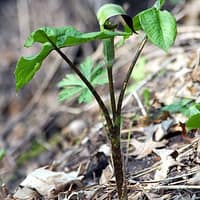
- Part shade – shade
- Moderate – high water
- 1–2.5 ft. tall × 1–2 ft. wide
- Blooms Spring
- Zones 4–9
Kansas City: Hooded spring flowers followed by bright red berry clusters in fall; for moist, shady woodland beds.
- Pruning: No pruning; leave foliage until it yellows
- Feeding: Light to moderate. Early spring as growth resumes; repeat only for active feeders or repeat bloomers.
- Watering: Water regularly during establishment.
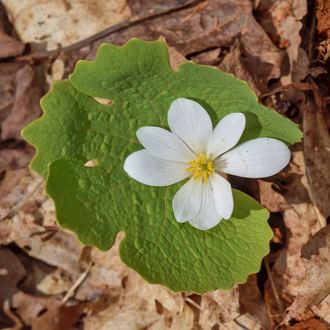
- Part shade – shade
- Moderate water
- 6–9 in. tall × Leaf to 8 in. across; slowly forms patches wide
- Blooms Early spring (March–April)
- Zones Missouri native (hardy here)
Kansas City: One of the first wildflowers of spring: a single white flower held in a curled, scalloped leaf, for shade and woodland gardens.
- Pruning: None; let the leaves die back on their own
- Feeding: Light to moderate. Early spring as growth resumes; repeat only for active feeders or repeat bloomers.
- Watering: Water regularly during establishment.
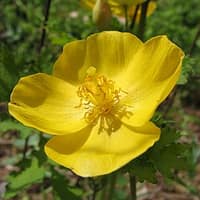
- Part shade – shade
- Moderate – high water
- 12–14 in. tall × 9–12 in. wide
- Blooms Spring–summer
- Zones 4–9
Kansas City: Missouri-native woodland poppy with bright yellow flowers in spring and handsome lobed leaves.
- Pruning: Shear back if foliage declines in summer
- Feeding: Light to moderate. Early spring as growth resumes; repeat only for active feeders or repeat bloomers.
- Watering: Water regularly during establishment.
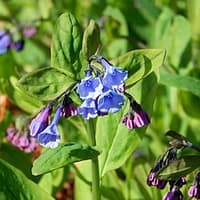
- Part shade – shade
- Moderate water
- 1–2 ft. tall × 1.5–3 ft. wide
- Blooms March–April
- Zones 3–8
Kansas City: Part shade – shade, 1–2 ft tall; blooms March–April. Deer resistant and usually skipped by rabbits.
- Pruning: Cut back dormant stems in late winter or early spring; deadhead if desired.
- Feeding: Light to moderate. Early spring as growth resumes; repeat only for active feeders or repeat bloomers.
- Watering: Provide even moisture during establishment; after establishment, water according to the species moisture preference and weather.
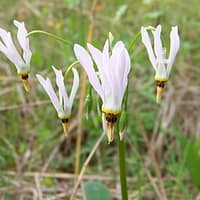
- Part shade
- Moderate water
- 1–2 ft. tall × 0.6–1 ft. wide
- Blooms April–May
- Zones 4–8
Kansas City: Swept-back pink or white flowers for a spring woodland or prairie edge.
- Pruning: None needed; foliage goes dormant by midsummer
- Feeding: Light to moderate. Early spring as growth resumes; repeat only for active feeders or repeat bloomers.
- Watering: Water regularly during establishment.
Pond plants
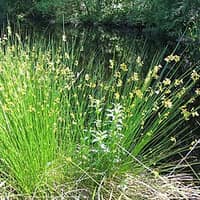
- Full sun – part shade
- High water
- 1–3 ft. tall × 1–2 ft. wide
- Blooms July–September
- Zones 4–9
Kansas City: Upright green stems for rain gardens, pond edges and soggy spots.
- Pruning: Remove brown stems in spring
- Feeding: Light. Only if growth is weak, in late spring.
- Watering: Water regularly during establishment.
Native shrubs
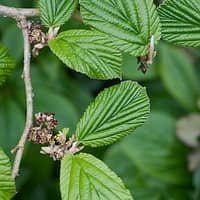
- Ozark WitchhazelFull sun – part shade · 6–16 ft. tall
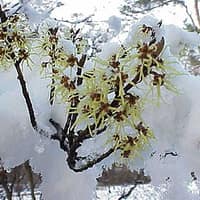 Chinese WitchhazelFull sun – part shade · 10–15 ft. tall
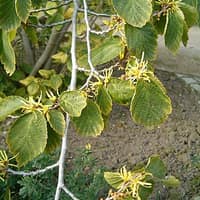 Common Witch HazelFull sun – part shade · 10–20 ft. tall
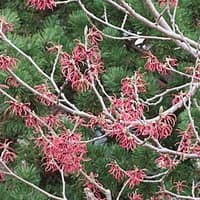 Hybrid WitchhazelFull sun – part shade · 15–20 ft. tall
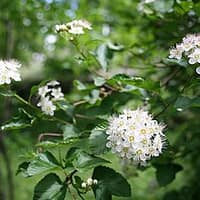
- Full sun – part shade
- Low water
- 5–8 ft. tall × 5–8 ft. wide
- Blooms May–June
- Zones 2–8
Kansas City: Tough native shrub with flowers, exfoliating bark, and colorful-leaved cultivars.
- Pruning: Prune after flowering or rejuvenate in late winter
- Feeding: Light to moderate. If needed, feed during spring growth.
- Watering: Water deeply and less often while establishing; once established, water during extended dry periods rather than on a fixed shallow schedule.
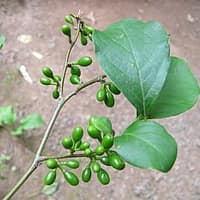
- Part sun – shade
- Moderate water
- 6–12 ft. tall × 6–12 ft. wide
- Blooms March–April
- Zones 4–9
Kansas City: Part sun – shade, 6–12 ft tall; blooms March–April. A pollinator favorite and deer resistant.
- Pruning: Prune according to bloom time and flowering wood
- Feeding: Light to moderate. If needed, feed during spring growth.
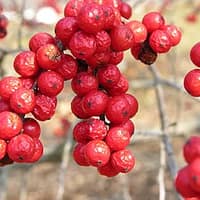
- Full sun – part shade
- Moderate – high water
- 6–10 ft. tall × 6–10 ft. wide
- Blooms May–June
- Zones 3–9
Kansas City: Native holly valued for heavy winter berry display and wet-soil tolerance.
- Pruning: Prune late winter lightly
- Feeding: Moderate. Early spring as active growth begins; repeat only if plant performance and soil conditions justify it.
- Watering: Water deeply and less often while establishing; once established, water during extended dry periods rather than on a fixed shallow schedule.
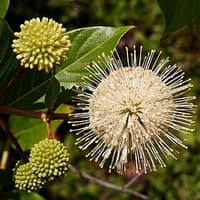
- Full sun – part shade
- High water
- 5–12 ft. tall × 4–8 ft. wide
- Blooms June–August
- Zones 5–9
Kansas City: Full sun – part shade, 5–12 ft tall; blooms June–August. Native to the Kansas City region and a pollinator favorite.
- Pruning: Prune according to bloom time and flowering wood
- Feeding: Light to moderate. If needed, feed during spring growth.
- Watering: Keep soil consistently moist without prolonged stagnant water; containers may require frequent checks in Kansas City heat.
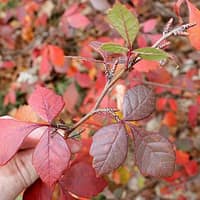
- Fragrant SumacFull sun – part shade · 2–6 ft. tall
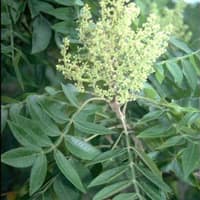 Shining SumacFull sun · 7–15 ft. tall
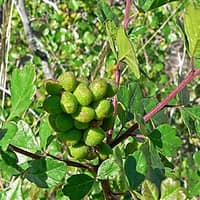 Skunkbush SumacFull sun · 2–3 ft. tall
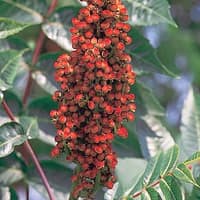 Smooth SumacFull sun – part shade · 9–15 ft. tall
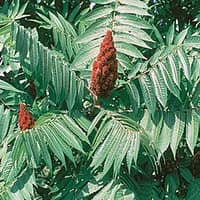 Staghorn SumacFull sun · 8–25 ft. tall
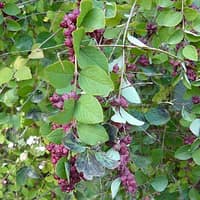
- Full sun – part shade
- Low – moderate water
- 2–4 ft. tall × 3–6 ft. wide
- Blooms Summer
- Zones Kansas native (K-State)
Kansas City: A tough native that holds clusters of coral-pink berries all winter; holds slopes and handles heat, drought and dry shade.
- Pruning: Cut a few of the oldest stems to the ground in late winter; remove suckers where unwanted
- Feeding: Light to moderate. If needed, feed during spring growth.
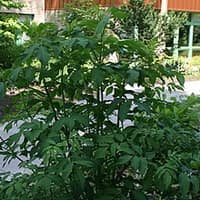
- Elderberry AdamsFull sun · 5–12 ft. tall
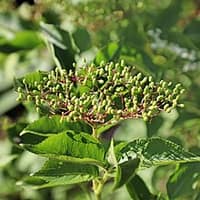 European ElderberryFull sun – part shade · 10–20 ft. tall
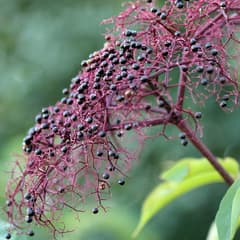 York
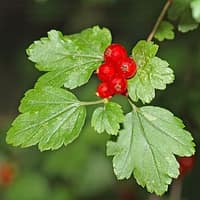
- Alpine CurrantFull sun – shade · 4–6 ft. tall
 Golden CurrantFull sun – part shade · 4–6 ft. tall
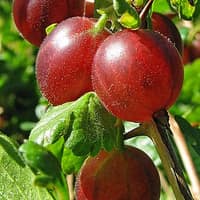 GooseberryFull sun
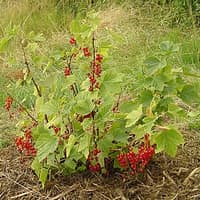 Red CurrantFull sun
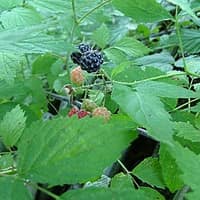
- Black RaspberryPart shade – full sun · 3–6 ft. tall
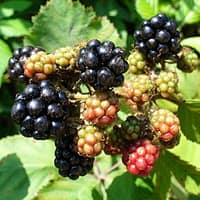 BlackberryFull sun
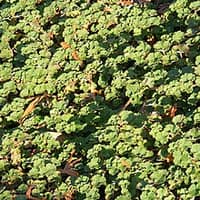 Creeping RaspberryFull sun – part shade
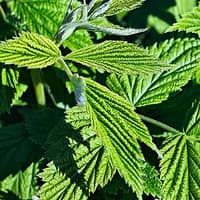 RaspberryFull sun
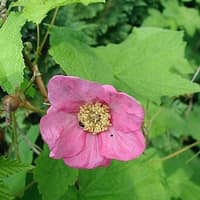 Flowering RaspberryPart shade · 3–6 ft. tall
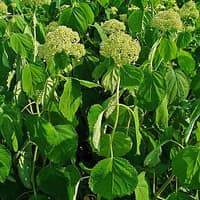
- Part sun – part shade
- Moderate water
- 3–5 ft. tall × 3–5 ft. wide
- Blooms June–August
- Zones 3–9
Kansas City: Native hydrangea that performs well in bright shade and can flower reliably after winter pruning.
- Pruning: Prune late winter; blooms on new wood
- Feeding: Light to moderate. If needed, feed during spring growth.
- Watering: Water deeply and less often while establishing; once established, water during extended dry periods rather than on a fixed shallow schedule.
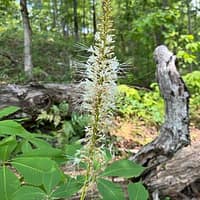
- Bottlebrush BuckeyePart sun – part shade · 8–12 ft. tall
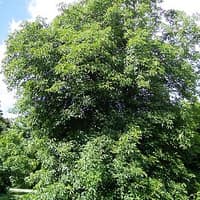 Ohio BuckeyePart shade · 20–40 ft. tall
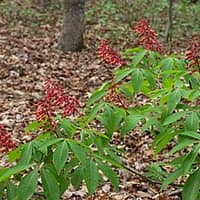 Red BuckeyePart shade · 15–25 ft. tall
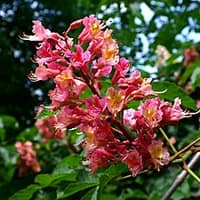 Red HorsechestnutFull sun – part shade · 30–40 ft. tall
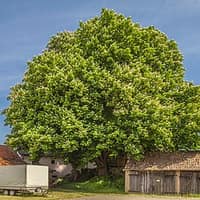 Common HorsechestnutFull sun – part shade · 50–75 ft. tall
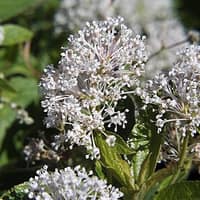
- Full sun – part shade
- Low water
- 2–3 ft. tall × 1.5–3 ft. wide
- Blooms May–July
- Zones 4–8
Kansas City: Full sun – part shade, 2–3 ft tall; blooms May–July.
- Pruning: Cut back dormant stems in late winter or early spring; deadhead if desired.
- Feeding: Light to moderate. Early spring as growth resumes; repeat only for active feeders or repeat bloomers.
- Watering: Drought tolerant once established; water during establishment and prolonged drought.
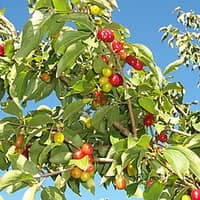
- Cornelian Cherry DogwoodFull sun – part shade · 15–25 ft. tall
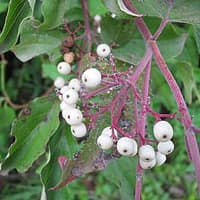 Gray DogwoodFull sun – shade · 4–15 ft. tall
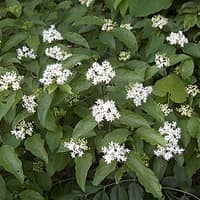 Roughleaf DogwoodFull sun – shade · 6–16 ft. tall
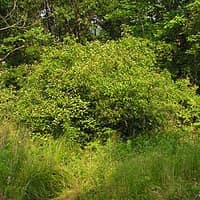 Silky DogwoodFull sun – shade · 6–12 ft. tall
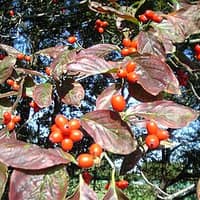 Flowering DogwoodPart sun – part shade · 15–30 ft. tall
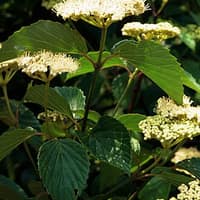
- Arrowwood ViburnumFull sun – part shade · 6–10 ft. tall
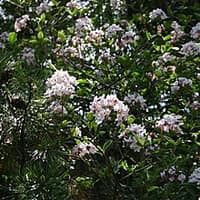 Burkwood ViburnumFull sun – part shade · 8–10 ft. tall
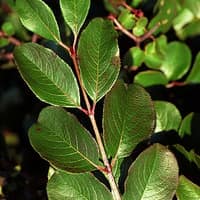 Rusty BlackhawFull sun – part shade · 10–20 ft. tall
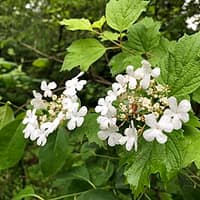 American Cranberrybush ViburnumFull sun – part shade · 8–12 ft. tall
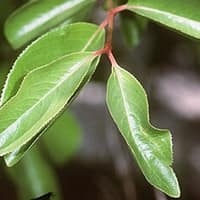 Blackhaw ViburnumFull sun – part shade · 10–15 ft. tall
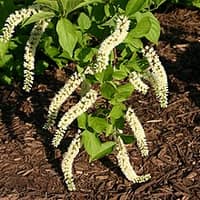
- Full sun – part shade
- Moderate – high water
- 3–5 ft. tall × 3–5 ft. wide
- Blooms May–June
- Zones 5–9
Kansas City: Full sun – part shade, 3–5 ft tall; blooms May–June. Deer resistant.
- Pruning: Prune according to bloom time and flowering wood
- Feeding: Light to moderate. If needed, feed during spring growth.
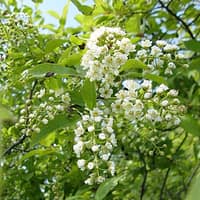
- Full sun
- Moderate water
- 20–30 ft. tall × 18–25 ft. wide
- Blooms April–May
- Zones 2–6
Kansas City: White flower spikes and dark fruit for birds; host for tiger swallowtails.
- Pruning: Remove suckers as needed
- Feeding: Light to moderate. If needed, feed during spring growth.
Native trees
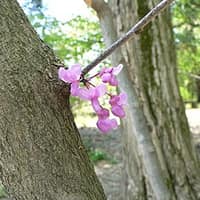
- Full sun – part shade
- Moderate water
- 20–30 ft. tall × 25–35 ft. wide
- Blooms March–April
- Zones 4–9
Kansas City: A signature native spring-flowering tree well suited to many Kansas City landscapes.
- Pruning: Prune after bloom or while dormant
- Feeding: Light to moderate. If needed, feed during spring growth.
- Watering: Water deeply and less often while establishing; once established, water during extended dry periods rather than on a fixed shallow schedule.
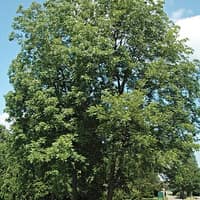
- Full sun – part shade
- Moderate water
- 70–100 ft. tall × 40–75 ft. wide
- Blooms April–May
- Zones 5–9
Kansas City: Large native nut tree; plant several cultivars for good pollination.
- Pruning: Prune in winter
- Feeding: Light to moderate. If needed, feed during spring growth.
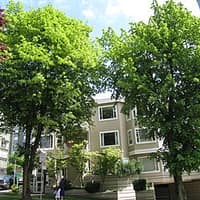
- Full sun – part shade
- Moderate water
- 60–80 ft. tall × 30–60 ft. wide
- Blooms May–July
- Zones 3–8
Kansas City: Large native shade tree with fragrant early-summer flowers loved by bees.
- Pruning: Prune in late winter
- Feeding: Light to moderate. If needed, feed during spring growth.
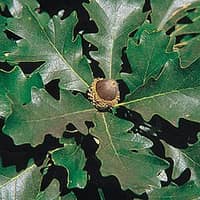
- Bur OakFull sun · 70–80 ft. tall
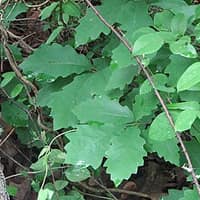 Dwarf Chinkapin OakFull sun – part shade · 12–25 ft. tall
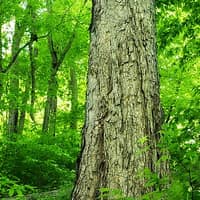 Northern Red OakFull sun · 60–75 ft. tall
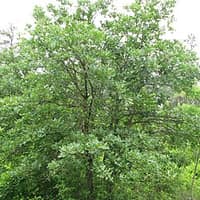 Post OakFull sun · 35–50 ft. tall
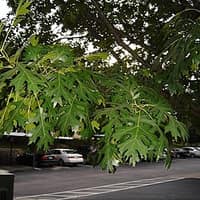 Shumard OakFull sun – part shade · 50–70 ft. tall
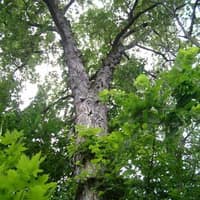
- Shagbark HickoryFull sun – part shade · 70–90 ft. tall
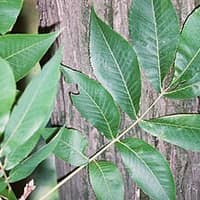 Shellbark HickoryFull sun – part shade · 60–80 ft. tall
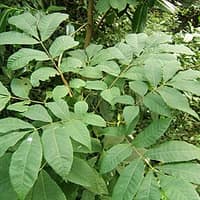 Bitternut HickoryFull sun – part shade · 50–100 ft. tall
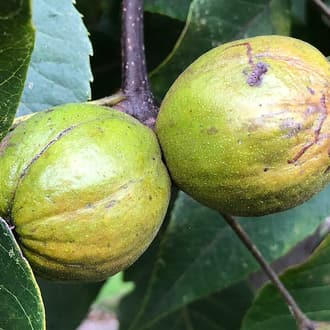 Mockernut HickoryFull sun – part shade · 60–80 ft. tall
- PecanFull sun – part shade · 70–100 ft. tall
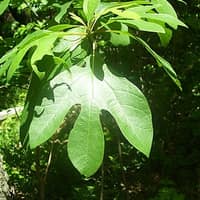
- Full sun – part shade
- Moderate during establishment water
- 30–60 ft. tall × 25–40 ft. wide
- Blooms Spring
- Zones 4–9
Kansas City: Full sun – part shade, 30–60 ft tall; blooms spring. Deer resistant.
- Feeding: Light to moderate. If needed, feed during spring growth; avoid unnecessary late-season nitrogen.
- Watering: Water thoroughly during establishment, then adjust to soil moisture, weather, and species-specific needs.
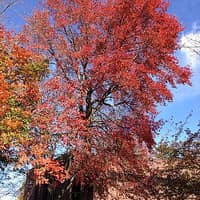
- Full sun – part shade
- Moderate water
- 30–50 ft. tall × 20–30 ft. wide
- Blooms April–May
- Zones 4–9
Kansas City: Full sun – part shade, 30–50 ft tall; blooms April–May.
- Feeding: Light to moderate. If needed, feed during spring growth.
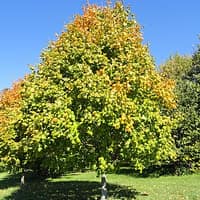
- Black MapleFull sun – part shade · 60–80 ft. tall
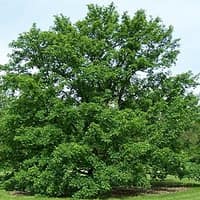 Miyabe MapleFull sun · 30–40 ft. tall
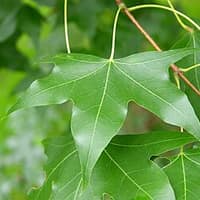 Shantung MapleFull sun – part shade · 20–25 ft. tall
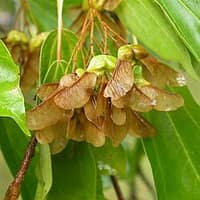 Trident MapleFull sun · 25–35 ft. tall
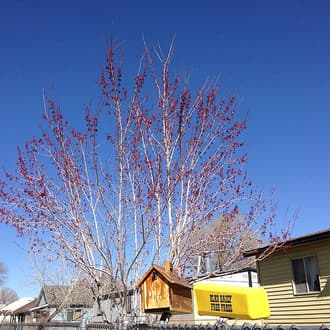 Freeman MapleFull sun – part shade · 45–70 ft. tall
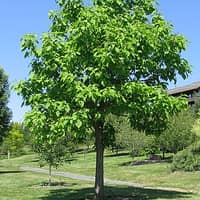
- Full sun – part shade
- Low – moderate water
- 40–70 ft. tall × 20–40 ft. wide
- Blooms May–June
- Zones 4–8
Kansas City: Showy white orchid-like flowers and long bean pods; tolerates wet, dry and poor soils.
- Pruning: Prune in late winter
- Feeding: Light to moderate. If needed, feed during spring growth.
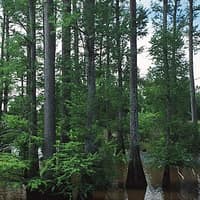
- Full sun
- Moderate – high water
- 50–70 ft. tall × 20–30 ft. wide
- Blooms Insignificant
- Zones 4–9
Kansas City: Adaptable native conifer that tolerates both wet sites and ordinary landscape soils once established.
- Pruning: Prune dormant season only as needed
- Feeding: Light to moderate. If needed, feed during spring growth.
- Watering: Water deeply and less often while establishing; once established, water during extended dry periods rather than on a fixed shallow schedule.
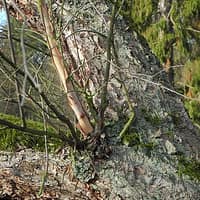
- Full sun – part shade
- Moderate – high water
- 40–70 ft. tall × 40–60 ft. wide
- Blooms March–April
- Zones 4–9
Kansas City: Heat-tolerant birch with attractive exfoliating bark, particularly useful near moist but drained areas.
- Pruning: Prune in summer after sap flow
- Feeding: Light to moderate. If needed, feed during spring growth.
- Watering: Water deeply and less often while establishing; once established, water during extended dry periods rather than on a fixed shallow schedule.
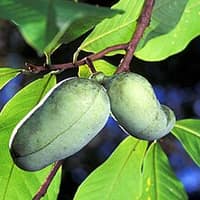
- Full sun
- Moderate; consistent during establishment and fruit development water
- 15–30 ft. tall × 15–30 ft. wide
- Blooms Spring
- Zones 5–9
Kansas City: Full sun, 15–30 ft tall; blooms spring. A pollinator favorite and deer resistant.
- Feeding: Moderate. Early spring if needed; avoid pushing tender late-season growth.
- Watering: Water thoroughly during establishment, then adjust to soil moisture, weather, and species-specific needs.
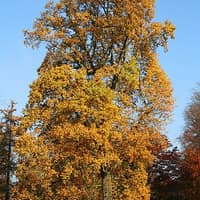
- Full sun
- Moderate water
- 70–90 ft. tall × 35–50 ft. wide
- Blooms May–June
- Zones 4–9
Kansas City: Fast-growing native shade tree with distinctive leaves and flowers, best where roots have room and moisture is reliable.
- Pruning: Prune dormant season when young
- Feeding: Light to moderate. If needed, feed during spring growth.
- Watering: Water deeply and less often while establishing; once established, water during extended dry periods rather than on a fixed shallow schedule.
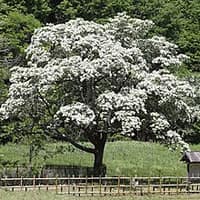
- Chinese FringetreeFull sun – part shade · 10–30 ft. tall
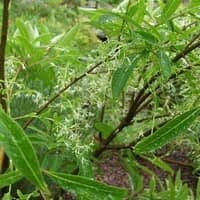 White FringetreeFull sun – part shade · 12–20 ft. tall
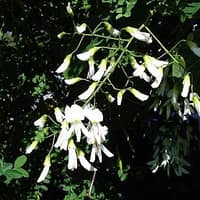
- Full sun
- Moderate water
- 30–50 ft. tall × 30–40 ft. wide
- Blooms May–June
- Zones 4–8
Kansas City: Full sun, 30–50 ft tall; blooms May–June.
- Feeding: Light to moderate. If needed, feed during spring growth.
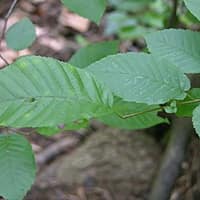
- Part sun – shade
- Moderate water
- 20–35 ft. tall × 20–35 ft. wide
- Blooms April
- Zones 3–9
Kansas City: Part sun – shade, 20–35 ft tall; blooms April.
- Feeding: Light to moderate. If needed, feed during spring growth.
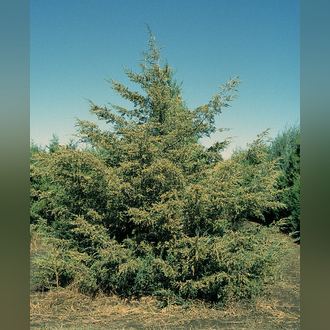
- Full sun – part shade
- Moderate during establishment water
- 30–40 ft. tall × 10–20 ft. wide
- Blooms Not showy; blue berry-like cones on female trees
- Zones 2–9
Kansas City: Full sun – part shade, 30–40 ft tall; blooms Not showy. A pollinator favorite and deer resistant.
- Feeding: Light. Spring: late March–April, before new growth starts.
- Watering: Water thoroughly during establishment, then adjust to soil moisture, weather, and species-specific needs.
Photo credits
- Echinacea (Coneflower): Mason Brock (Masebrock) / Wikimedia Commons, Public domain (source)
- Narrow-leaf Coneflower: Krzysztof Ziarnek, Kenraiz / Wikimedia Commons, CC BY-SA 4.0 (source)
- Pale Purple Coneflower: SEWilco / Wikimedia Commons, CC BY-SA 3.0 (source)
- Purple Coneflower: W. Bulach / Wikimedia Commons, CC BY-SA 4.0 (source)
- Yellow Coneflower: Ulf Eliasson / Wikimedia Commons, CC BY 2.5 (source)
- Milkweeds: Ragesoss / Wikimedia Commons, CC BY-SA 3.0 (source)
- Common Milkweed: Hardyplants at English Wikipedia / Wikimedia Commons, Public domain (source)
- Green Antelopehorn: Marion Doss / Wikimedia Commons, CC BY-SA 2.0 (source)
- Whorled Milkweed: George F Mayfield / Wikimedia Commons, CC BY-SA 2.0 (source)
- Baptisia: Jean-Pol GRANDMONT / Wikimedia Commons, CC BY-SA 3.0 (source)
- Blue Wild Indigo: Wikimedia Commons contributor, CC BY-SA 3.0 (source)
- White Wild Indigo: BlueCanoe / Wikimedia Commons, CC BY-SA 3.0 (source)
- Rattlesnake Master: Crazytwoknobs / Wikimedia Commons, CC BY 3.0 (source)
- Goldenrod: Wikimedia Commons contributor, Public domain (source)
- Ohio Goldenrod: Rob Routledge, Sault College, Bugwood.org / Wikimedia Commons, CC BY 3.0 us (source)
- Showy Goldenrod: U.S. Fish and Wildlife Service – Midwest Region / Wikimedia Commons, Public domain (source)
- Stiff Goldenrod: Matt Lavin from Bozeman, Montana, USA / Wikimedia Commons, CC BY-SA 2.0 (source)
- Zigzag Goldenrod: Wikimedia Commons contributor, Public domain (source)
- Liatris: Hedwig Storch / Wikimedia Commons, CC BY-SA 3.0 (source)
- Prairie Blazing Star: wackybadger / Wikimedia Commons, CC BY-SA 2.0 (source)
- Rough Blazing Star: Wikimedia Commons contributor, Public domain (source)
- Meadow Blazing Star: Joshua Mayer from Madison, WI, USA / Wikimedia Commons, CC BY-SA 2.0 (source)
- Scaly Blazing Star: Mason Brock (Masebrock) / Wikimedia Commons, Public domain (source)
- Phlox: Tim Ross / Wikimedia Commons, Public domain (source)
- Garden Phlox: Didier Descouens / Wikimedia Commons, CC BY-SA 4.0 (source)
- Moss Phlox: UpstateNYer / Wikimedia Commons, CC BY-SA 3.0 (source)
- Prairie Phlox: Wikimedia Commons contributor, Public domain (source)
- Woodland Phlox: Wilson44691 / Wikimedia Commons, CC0 (source)
- Native Sedums: Stan Shebs / Wikimedia Commons, CC BY-SA 3.0 (source)
- Woodland Stonecrop: Fritz Flohr Reynolds from USA / Wikimedia Commons, CC BY-SA 2.0 (source)
- Dragon's Blood Stonecrop: Wikimedia Commons contributor, CC BY-SA 3.0 (source)
- Goldmoss Stonecrop: Ivar Leidus / Wikimedia Commons, CC BY-SA 4.0 (source)
- Sedum Angelina: Frank Vincentz / Wikimedia Commons, CC BY-SA 3.0 (source)
- Coreopsis: User:Qwertzy2 / Wikimedia Commons, CC BY-SA 3.0 (source)
- Plains Coreopsis: No machine-readable author provided. C.Maylett assumed (based on copyright claim / Wikimedia Commons, CC BY-SA 3.0 (source)
- Prairie Coreopsis: Jim Pisarowicz / Wikimedia Commons, Public domain (source)
- Threadleaf Coreopsis: Chrumps / Wikimedia Commons, CC BY-SA 3.0 (source)
- Tickseed: Sebastian Martin Dicke / Wikimedia Commons, CC BY-SA 4.0 (source)
- Meadowsweet: James K. Lindsey / Wikimedia Commons, CC BY-SA 3.0 (source)
- Meadowsweet: W. Bulach / Wikimedia Commons, CC BY-SA 4.0 (source)
- Primrose: Mason Brock (Masebrock) / Wikimedia Commons, Public domain (source)
- Sundrops: Kurt Stüber [1] / Wikimedia Commons, CC BY-SA 3.0 (source)
- Gaura: Didier Descouens / Wikimedia Commons, CC BY-SA 4.0 (source)
- Showy Evening Primrose: ZooFari / Wikimedia Commons, CC BY-SA 3.0 (source)
- Common Evening Primrose: Sunny365days / Wikimedia Commons, CC BY-SA 4.0 (source)
- Roundleaf Groundsel: SB_Johnny / Wikimedia Commons, CC BY-SA 4.0 (source)
- Spiderwort: Sun Jiao (Interaccoonale) / Wikimedia Commons, CC BY 4.0 (source)
- Ohio Spiderwort: Frank Vincentz / Wikimedia Commons, CC BY-SA 3.0 (source)
- Virginia Spiderwort: Daniel J. Layton / Wikimedia Commons, CC BY-SA 3.0 (source)
- False Sunflower: W. Bulach / Wikimedia Commons, CC BY-SA 4.0 (source)
- Maidenhair Fern: Doug McGrady from Warwick, RI, USA / Wikimedia Commons, CC BY 2.0 (source)
- Ostrich Fern: Borealis55 / Wikimedia Commons, CC0 (source)
- Lady Fern: No machine-readable author provided. MPF assumed (based on copyright claims). / Wikimedia Commons, CC BY 2.5 (source)
- Christmas Fern: Photo (c)2006 Derek Ramsey (Ram-Man) / Wikimedia Commons, CC BY-SA 2.5 (source)
- Wild Geranium: Eric in SF / Wikimedia Commons, CC BY-SA 3.0 (source)
- Columbine: Ragesoss / Wikimedia Commons, CC BY-SA 3.0 (source)
- Snakeroot: Sten Porse / Wikimedia Commons, CC BY-SA 3.0 (source)
- Wild Ginger: Earthdirt Please attribute work to: Chris S. Packard / Wikimedia Commons, CC BY 2.5 (source)
- Jacob's Ladder: Ryan Kaldari / Wikimedia Commons, Public domain (source)
- Dwarf Crested Iris: U.S. Fish and Wildlife Service Southeast Region / Wikimedia Commons, Public domain (source)
- Mayapple: Jennifer Anderson, USDA / Wikimedia Commons, Public domain (source)
- Lobelia: Barnes, Dr. Thomas G. / Wikimedia Commons, Public domain (source)
- Great Blue Lobelia: Nemracc / Wikimedia Commons, CC BY-SA 3.0 (source)
- Lobelia: André Karwath aka Aka / Wikimedia Commons, CC BY-SA 2.5 (source)
- Blue Cardinal Flower: Photo by David J. Stang / Wikimedia Commons, CC BY-SA 4.0 (source)
- Southern Blue Flag: Frank Mayfield / Wikimedia Commons, CC BY-SA 2.0 (source)
- Rudbeckia (Black-eyed Susan): Jerzy Opioła (Poland) / Wikimedia Commons, CC BY-SA 3.0 (source)
- Black-eyed Susan (Annual): G. Edward Johnson / Wikimedia Commons, CC BY-SA 3.0 (source)
- Brown-Eyed Susan: b:User:SBJohnny / Wikimedia Commons, Public domain (source)
- Sweet Coneflower: Wikimedia Commons contributor, Public domain (source)
- Black-eyed Susan American Gold Rush: Dcoetzee / Wikimedia Commons, CC0 (source)
- Sedges: Chhe (talk) / Wikimedia Commons, Public domain (source)
- Cherokee Sedge: Mason Brock (Masebrock) / Wikimedia Commons, Public domain (source)
- Japanese Sedge Evergold: Photo by David J. Stang / Wikimedia Commons, CC BY-SA 4.0 (source)
- Plantainleaf Sedge: Krzysztof Ziarnek, Kenraiz / Wikimedia Commons, CC BY-SA 4.0 (source)
- Sedge Ice Dance: Daderot / Wikimedia Commons, CC0 (source)
- Aster: aarongunnar / Wikimedia Commons, CC BY 4.0 (source)
- Blue Wood Aster: R. A. Nonenmacher / Wikimedia Commons, CC BY-SA 4.0 (source)
- Calico Aster: Cathie Bird / Wikimedia Commons, CC BY-SA 2.0 (source)
- Heath Aster: Cody Hough / Wikimedia Commons, CC BY-SA 3.0 (source)
- New England Aster: Andrew Sebastian / Wikimedia Commons, CC BY 4.0 (source)
- Swamp Milkweed: Ryan Hodnett / Wikimedia Commons, CC BY-SA 4.0 (source)
- Turtlehead: Mason Brock (Masebrock) / Wikimedia Commons, Public domain (source)
- Mountain Mint: Hardyplants at English Wikipedia / Wikimedia Commons, Public domain (source)
- Grama: Krzysztof Ziarnek, Kenraiz / Wikimedia Commons, CC BY-SA 4.0 (source)
- Blue Grama: Wikimedia Commons contributor, Public domain (source)
- Sideoats Grama: Wikimedia Commons contributor, Public domain (source)
- Prairie Dropseed: Daderot / Wikimedia Commons, Public domain (source)
- Big Bluestem: Alex Abair / Wikimedia Commons, CC BY 4.0 (source)
- Little Bluestem: Wikimedia Commons contributor, Public domain (source)
- Switch Grass: Warren Gretz, DOE/NREL / Wikimedia Commons, Public domain (source)
- Northern Sea Oats / River Oats: Eric in SF / Wikimedia Commons, CC BY-SA 3.0 (source)
- Crossvine: Susan Adams from Dallas-ish, TX, USA / Wikimedia Commons, CC BY-SA 2.0 (source)
- Clematis virginiana: User:SB_Johnny / Wikimedia Commons, CC BY-SA 3.0 (source)
- Virginia Creeper: Tasja / Wikimedia Commons, Public domain (source)
- Jack-in-the-Pulpit: Hardyplants at English Wikipedia / Wikimedia Commons, Public domain (source)
- Bloodroot: The Cosmonaut / Wikimedia Commons, CC BY-SA 4.0 (source)
- Celandine Poppy: Wikimedia Commons contributor, CC BY-SA 3.0 (source)
- Virginia Bluebells: Khan "Sadh" N. Mostafa / Wikimedia Commons, CC BY 2.0 (source)
- Shooting Star: Mason Brock (Masebrock) / Wikimedia Commons, Public domain (source)
- Rushes: The original uploader was Meggar at English Wikipedia. / Wikimedia Commons, CC BY-SA 3.0 (source)
- Witch Hazel: Eric in SF / Wikimedia Commons, CC BY-SA 3.0 (source)
- Chinese Witchhazel: Kurt Stüber [1] / Wikimedia Commons, CC BY-SA 3.0 (source)
- Common Witch Hazel: Wikimedia Commons contributor, CC BY-SA 3.0 (source)
- Hybrid Witchhazel: AnRo0002 / Wikimedia Commons, CC0 (source)
- Ninebark: Jean-Pol GRANDMONT / Wikimedia Commons, CC BY-SA 3.0 (source)
- Spicebush: Jomegat / Wikimedia Commons, CC BY-SA 3.0 (source)
- Winterberry: Photo (c)2007 Derek Ramsey (Ram-Man) / Wikimedia Commons, CC BY-SA 2.5 (source)
- Buttonbush: Rufino Osorio (also known as Desmodium) / Wikimedia Commons, CC BY-SA 2.5 (source)
- Sumac: Bruce Marlin / Wikimedia Commons, CC BY-SA 3.0 (source)
- Shining Sumac: Wikimedia Commons contributor, Public domain (source)
- Skunkbush Sumac: Stan Shebs / Wikimedia Commons, CC BY-SA 3.0 (source)
- Smooth Sumac: Wikimedia Commons contributor, Public domain (source)
- Staghorn Sumac: The original uploader was Muggwort17 at English Wikipedia. / Wikimedia Commons, Public domain (source)
- Coralberry: Cillas / Wikimedia Commons, CC BY-SA 4.0 (source)
- Elderberry: Photo by David J. Stang / Wikimedia Commons, CC BY-SA 4.0 (source)
- European Elderberry: W. Bulach / Wikimedia Commons, CC BY-SA 4.0 (source)
- 'York': R. A. Nonenmacher, CC BY-SA 4.0 (source)
- Gooseberries & Currants: André Karwath aka Aka / Wikimedia Commons, CC BY-SA 2.5 (source)
- Golden Currant: Walter Siegmund (talk) / Wikimedia Commons, CC BY-SA 3.0 (source)
- Gooseberry: Darkone / Wikimedia Commons, CC BY-SA 2.5 (source)
- Red Currant: Wikimedia Commons contributor, Public domain (source)
- Raspberry & Blackberries: Cstaffa at English Wikipedia / Wikimedia Commons, Public domain (source)
- Blackberry: George Chernilevsky / Wikimedia Commons, Public domain (source)
- Creeping Raspberry: The original uploader was J.smith at English Wikipedia. (Original text: en:user: / Wikimedia Commons, CC BY-SA 3.0 (source)
- Raspberry: Didier Descouens / Wikimedia Commons, CC BY-SA 4.0 (source)
- Flowering Raspberry: No machine-readable author provided. Sten assumed (based on copyright claims). / Wikimedia Commons, CC BY-SA 3.0 (source)
- Wild Hydrangea: H. Zell / Wikimedia Commons, CC BY-SA 3.0 (source)
- Buckeye: dylanshaw / Wikimedia Commons, CC BY 4.0 (source)
- Ohio Buckeye: Wikimedia Commons contributor, CC BY-SA 3.0 (source)
- Red Buckeye: Eric Hunt / Wikimedia Commons, CC BY-SA 3.0 (source)
- Red Horsechestnut: Rüdiger Wölk This photo was taken by Rüdiger Wölk. Please credit this photo Rüdi / Wikimedia Commons, CC BY-SA 2.5 (source)
- Common Horsechestnut: Stephan van Helden / Wikimedia Commons, CC BY-SA 4.0 (source)
- New Jersey Tea: unknown author, USFWS / Wikimedia Commons, Public domain (source)
- Dogwood: B.navez / Wikimedia Commons, CC BY-SA 3.0 (source)
- Gray Dogwood: Mitternacht90 at English Wikipedia / Wikimedia Commons, Public domain (source)
- Roughleaf Dogwood: photo by John Knouse / Wikimedia Commons, Public domain (source)
- Silky Dogwood: User:SB_Johnny / Wikimedia Commons, CC BY-SA 3.0 (source)
- Flowering Dogwood: No machine-readable author provided. Koba-chan assumed (based on copyright claim / Wikimedia Commons, CC BY 2.5 (source)
- Viburnum: Ted Bodner, Southern Weed Science Society/James H. Miller, USDA Forest Service / Wikimedia Commons, CC BY 3.0 us (source)
- Burkwood Viburnum: User:SB_Johnny / Wikimedia Commons, CC BY-SA 3.0 (source)
- Rusty Blackhaw: Ted Bodner, Southern Weed Science Society / James H. Miller, USDA Forest Service / Wikimedia Commons, CC BY 3.0 us (source)
- American Cranberrybush Viburnum: Famartin / Wikimedia Commons, CC BY-SA 4.0 (source)
- Blackhaw Viburnum: Robert H. Mohlenbrock. USDA SCS / Wikimedia Commons, Public domain (source)
- Sweetspire (Itea): User:SB_Johnny / Wikimedia Commons, CC BY-SA 3.0 (source)
- Chokecherry: Nadiatalent / Wikimedia Commons, Public domain (source)
- Redbud: Wikimedia Commons contributor, CC BY-SA 3.0 (source)
- Pecan: James St. John / Wikimedia Commons, CC BY 2.0 (source)
- Basswood: Wendy Cutler from Vancouver, Canada / Wikimedia Commons, CC BY 2.0 (source)
- Oaks: Wikimedia Commons contributor, Public domain (source)
- Dwarf Chinkapin Oak: Choess / Wikimedia Commons, CC BY-SA 3.0 (source)
- Northern Red Oak: Nicholas A. Tonelli from Northeast Pennsylvania, USA / Wikimedia Commons, CC BY 2.0 (source)
- Post Oak: Choess / Wikimedia Commons, CC BY-SA 3.0 (source)
- Shumard Oak: en:User:Neonfreon / Wikimedia Commons, Public domain (source)
- Hickory: Wikimedia Commons contributor, CC BY-SA 3.0 (source)
- Shellbark Hickory: Robert H. Mohlenbrock. USDA SCS. Midwest wetland flora: Field office illustrated / Wikimedia Commons, Public domain (source)
- Bitternut Hickory: No machine-readable author provided. MPF assumed (based on copyright claims). / Wikimedia Commons, CC BY-SA 3.0 (source)
- Mockernut Hickory: Famartin / Wikimedia Commons, CC BY-SA 4.0 (source)
- Sassafras: Wowbobwow12 at English Wikipedia / Wikimedia Commons, CC BY-SA 3.0 (source)
- Black Gum: Famartin / Wikimedia Commons, CC BY-SA 4.0 (source)
- Maples: Daderot / Wikimedia Commons, CC0 (source)
- Miyabe Maple: Bruce Marlin / Wikimedia Commons, CC BY-SA 3.0 (source)
- Shantung Maple: Photo (c)2006 Derek Ramsey (Ram-Man) / Wikimedia Commons, CC BY-SA 4.0 (source)
- Trident Maple: No machine-readable author provided. Abrahami assumed (based on copyright claims / Wikimedia Commons, CC BY-SA 2.5 (source)
- Freeman Maple: Famartin / Wikimedia Commons, CC BY-SA 3.0 (source)
- Catalpa: Mark Wagner / Wikimedia Commons, CC BY 2.5 (source)
- Bald Cypress: Wikimedia Commons contributor, Public domain (source)
- River Birch: Baummapper / Wikimedia Commons, CC BY-SA 3.0 de (source)
- Pawpaw: Scott Bauer, USDA / Wikimedia Commons, Public domain (source)
- Tulip Poplar: Jean-Pol GRANDMONT / Wikimedia Commons, CC BY 3.0 (source)
- Fringe Tree: Alpsdake / Wikimedia Commons, CC BY-SA 4.0 (source)
- White Fringetree: Wikimedia Commons contributor, Public domain (source)
- Yellowwood: Ulf Eliasson / Wikimedia Commons, CC BY 2.5 (source)
- American Hornbeam: Photo by and (c)2005 Derek Ramsey (Ram-Man) / Wikimedia Commons, CC BY-SA 2.5 (source)
- Eastern Red Cedar / Juniper: USDA-NRCS PLANTS Database / Wikimedia Commons, Public domain (source)


.jpg)


