Bare patches in your yard and garden can be unsightly areas that attract weeds and dandelions if not taken care of. Groundcovers are a low-maintenance way of keeping these bare patches beautiful, free from weeds, and can help reduce erosion of the soil. With many different options, let the experts at Soil Service help you select a groundcover perfect for your lawn and garden!
Different Types of Groundcovers
- Low-growing shrubs
- Herbaceous plants
- Ornamental grasses
Come by and see us today!
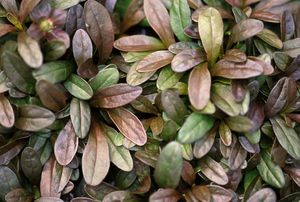
Care notes & varietiesGrowing basics for the plants on this page, from our free My Garden app
Availability changes through the season, so call or stop by to check what’s in.
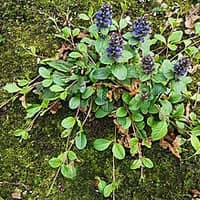
- Part sun – shade
- Moderate water
- 4–8 in. tall × Spreading wide
- Blooms April–May
- Zones 3–9
Kansas City: Fast carpet-forming groundcover with spring flowers and colorful foliage cultivars.
- Pruning: Shear flower spikes and contain runners as needed
- Feeding: Light to moderate. Usually during active spring growth; repeat only when the plant’s needs justify it.
- Watering: Water regularly during establishment.
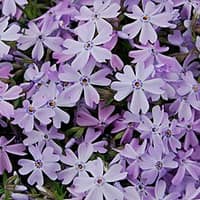
- Full sun
- Low – moderate water
- 0.25–0.5 ft. tall × 1–2 ft. wide
- Blooms March–May
- Zones 3–9
Kansas City: Full sun, 0.25–0.5 ft tall; blooms March–May. Usually skipped by rabbits.
- Pruning: Cut back dormant stems in late winter or early spring; deadhead if desired.
- Feeding: Light to moderate. Early spring as growth resumes; repeat only for active feeders or repeat bloomers.
- Watering: Drought tolerant once established; water during establishment and prolonged drought.
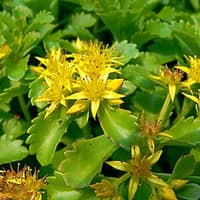
- Orange StonecropFull sun · 3–7 in. tall
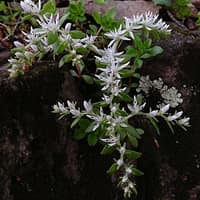 Woodland StonecropPart shade – shade · 3–6 in. tall
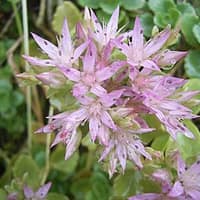 Dragon's Blood StonecropPart shade · 2–6 in. tall
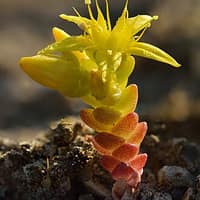 Goldmoss StonecropFull sun – part shade · 1–4 in. tall
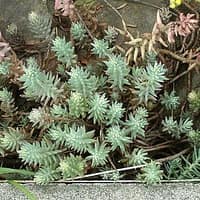 Sedum Angelina4–6 in. tall
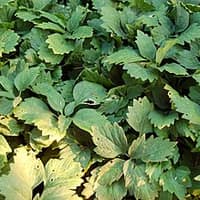
- Allegheny SpurgePart shade – shade · 6 in.–1 ft. tall
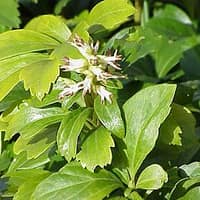 Japanese PachysandraPart shade – shade · 6–12 in. tall
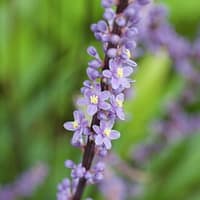
- Big Blue LilyturfFull sun – shade · 1–1.5 ft. tall
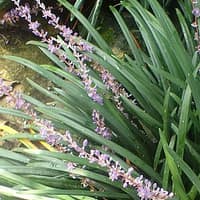 Creeping LilyturfPart shade – shade · 6–18 in. tall
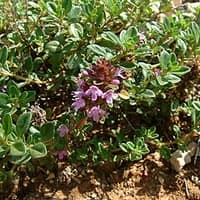
- Full sun
- Low water
- 2–4 in. tall × 12–18 in. wide
- Blooms June–July
- Zones 4–9
Kansas City: Low aromatic groundcover for sunny, sharply drained spaces and between stepping stones.
- Pruning: Shear lightly after bloom if desired
- Feeding: Light to moderate. Usually during active spring growth; repeat only when the plant’s needs justify it.
- Watering: Water regularly during establishment.
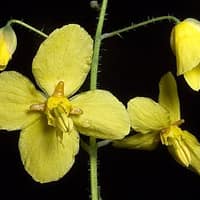
- BarrenwortPart shade – shade · 8–15 in. tall
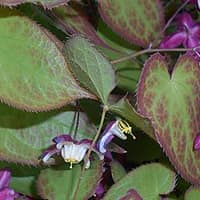 Red BarrenwortPart shade – shade · 6 in.–1 ft. tall
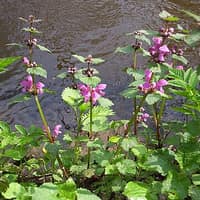
- Part shade – shade
- Moderate water
- 6–10 in. tall × 12–24 in. wide
- Blooms Spring–summer
- Zones 3–8
Kansas City: Part shade – shade, 6–10 in tall; blooms spring–summer. Deer resistant.
- Pruning: Trim or thin as needed to control spread
- Feeding: Light to moderate. Usually during active spring growth; repeat only when the plant’s needs justify it.
- Full sun
- Low water
- 0.5–1.5 ft. tall × 4–10 ft. wide
- Blooms Not showy
- Zones 3–9
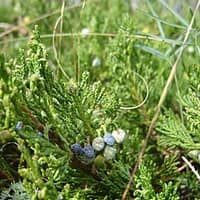
Kansas City: Low, spreading evergreen for slopes and hot, dry banks.
- Feeding: Light. Spring: late March–April, before new growth starts.
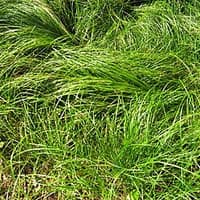
- Pennsylvania SedgePart shade – shade · 8–12 in. tall
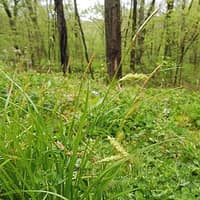 Cherokee SedgeFull sun – part shade · 1–2 ft. tall
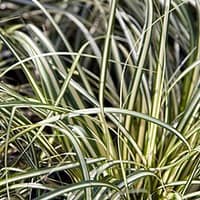 Japanese Sedge EvergoldFull sun to part sun · 1–1.5 ft. tall
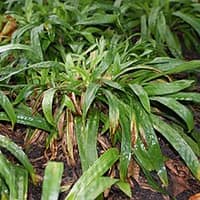 Plantainleaf SedgePart shade – shade · 6 in.–1 ft. tall
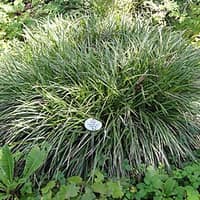 Sedge Ice DancePart shade – shade · 1–1.5 ft. tall
Photo credits
- Ajuga: Didier Descouens / Wikimedia Commons, CC BY-SA 4.0 (source)
- Creeping Phlox: UpstateNYer / Wikimedia Commons, CC BY-SA 3.0 (source)
- Sedum: Stan Shebs / Wikimedia Commons, CC BY-SA 3.0 (source)
- Woodland Stonecrop: Fritz Flohr Reynolds from USA / Wikimedia Commons, CC BY-SA 2.0 (source)
- Dragon's Blood Stonecrop: Wikimedia Commons contributor, CC BY-SA 3.0 (source)
- Goldmoss Stonecrop: Ivar Leidus / Wikimedia Commons, CC BY-SA 4.0 (source)
- Sedum Angelina: Frank Vincentz / Wikimedia Commons, CC BY-SA 3.0 (source)
- Pachysandra: Photo (c)2006 Derek Ramsey (Ram-Man) / Wikimedia Commons, CC BY-SA 2.5 (source)
- Japanese Pachysandra: Kurt Stüber [1] / Wikimedia Commons, CC BY-SA 3.0 (source)
- Liriope: Denis.prévôt / Wikimedia Commons, CC BY-SA 3.0 (source)
- Creeping Lilyturf: Krzysztof Ziarnek, Kenraiz / Wikimedia Commons, CC BY-SA 4.0 (source)
- Creeping Thyme: Wikimedia Commons contributor, CC BY-SA 3.0 (source)
- Epimedium: Peter coxhead / Wikimedia Commons, CC BY-SA 3.0 (source)
- Red Barrenwort: Salicyna / Wikimedia Commons, CC BY-SA 4.0 (source)
- Lamium: Tomasz Kuran aka Meteor2017 / Wikimedia Commons, CC BY 2.5 (source)
- Creeping Juniper: SriMesh / Wikimedia Commons, CC BY 3.0 (source)
- Sedges: Chhe (talk) / Wikimedia Commons, Public domain (source)
- Cherokee Sedge: Mason Brock (Masebrock) / Wikimedia Commons, Public domain (source)
- Japanese Sedge Evergold: Photo by David J. Stang / Wikimedia Commons, CC BY-SA 4.0 (source)
- Plantainleaf Sedge: Krzysztof Ziarnek, Kenraiz / Wikimedia Commons, CC BY-SA 4.0 (source)
- Sedge Ice Dance: Daderot / Wikimedia Commons, CC0 (source)


