
Perennials are plants that come back year after year. In our 4000 sq. ft. perennial house, we carry a wide selection of garden favorites and have a knowledgeable staff to help you pick the best plant for your location.
- Helleborus (Lenten Rose)
- Peonies
- Hardy Hibiscus and Banana
- Sedum and other perennial succulents
- Ornamental Grasses
- Milkweeds
- Iris
- Daylilies
- Rain Garden
- Groundcovers- for sun and shade
- Herbs
- Clematis
- Hostas
- Heucheras (Coral Bells) – We specialize in Villosa hybrids that can take the heat and humidity of Kansas City!
- Spring Ephemerals
- Pond Plants
- Vines
Care notes & varietiesGrowing basics for the plants on this page, from our free My Garden app
Availability changes through the season, so call or stop by to check what’s in.
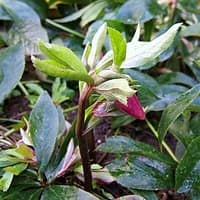
- Lenten RosePart shade – shade · 1–2 ft. tall
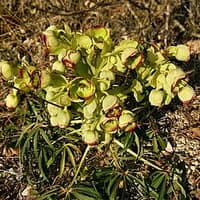 Bearsfoot HelleborePart shade – shade · 1–2 ft. tall
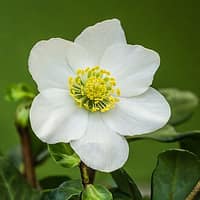 Christmas RosePart shade – shade · 9–12 in. tall
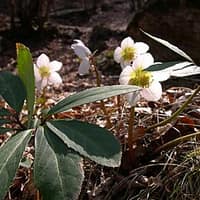 Hellebore Ivory PrincePart shade – shade · 1–2 ft. tall
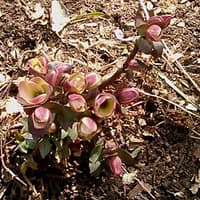 Hellebore Pink FrostPart shade – shade · 1–2 ft. tall
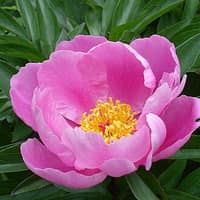
- Full sun
- Moderate water
- 2–3 ft. tall × 2–3 ft. wide
- Blooms May–June
- Zones 3–8
Kansas City: Long-lived spring perennial that can persist for decades when planted at the correct depth.
- Pruning: Cut foliage to ground after frost
- Feeding: Light to moderate. Early spring as growth resumes; repeat only for active feeders or repeat bloomers.
- Watering: Water regularly during establishment.
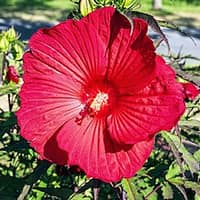
- Full sun
- Moderate – high water
- 3–7 ft. tall × 1.5–3 ft. wide
- Blooms July–September
- Zones 5–9
Kansas City: Full sun, 3–7 ft tall; blooms July–September.
- Pruning: Cut back dormant stems in late winter or early spring; deadhead if desired.
- Feeding: Moderate to heavy. Begin as spring growth starts; repeat-blooming roses may benefit from a light feeding after the first major bloom cycle.
- Watering: Provide even moisture during establishment; after establishment, water according to the species moisture preference and weather.
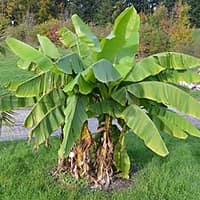
- Full sun – part shade
- High water
- 6–14 ft. tall × 6–14 ft. wide
- Blooms Grown for foliage
- Zones 5–10
Kansas City: Huge tropical leaves that regrow each summer from hardy roots.
- Pruning: Cut stems to 2 ft. after frost
- Feeding: Light to moderate. Early spring as growth resumes; repeat only for active feeders or repeat bloomers.
- Watering: Water regularly during establishment.
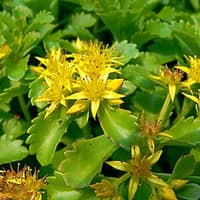
- Orange StonecropFull sun · 3–7 in. tall
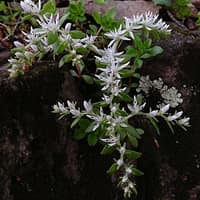 Woodland StonecropPart shade – shade · 3–6 in. tall
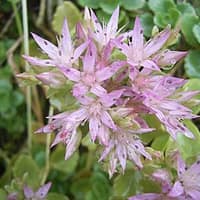 Dragon's Blood StonecropPart shade · 2–6 in. tall
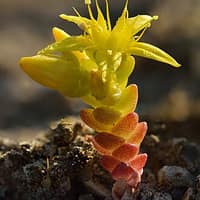 Goldmoss StonecropFull sun – part shade · 1–4 in. tall
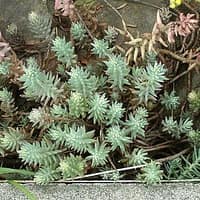 Sedum Angelina4–6 in. tall
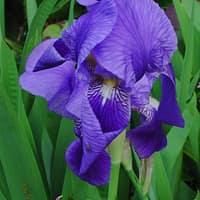
- Bearded IrisFull sun · 2–3 ft. tall
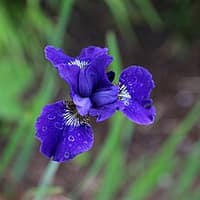 Blue Flag IrisFull sun – part shade · 2–3 ft. tall
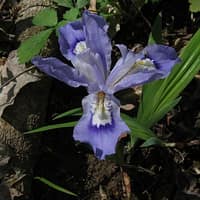 Dwarf Crested IrisPart shade · 4–9 in. tall
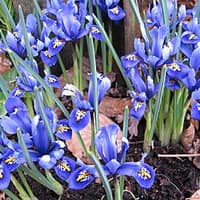 Dwarf IrisFull sun – part shade · 4–6 in. tall
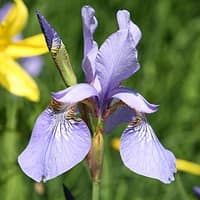 Siberian IrisFull sun – part shade · 2–4 ft. tall
- Full sun – part shade
- Low – moderate water
- 1.5–4 ft. tall × 1.5–3 ft. wide
- Blooms June–August
- Zones 3–9
Kansas City: Extremely durable flowering perennial for sunny beds and slopes.
- Pruning: Remove old foliage late fall or spring
- Feeding: Light to moderate. Early spring as growth resumes; repeat only for active feeders or repeat bloomers.
- Watering: Water regularly during establishment.
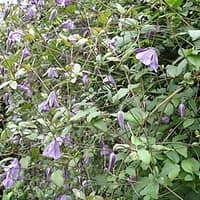
- Italian ClematisFull sun – part shade · 10–15 ft. tall
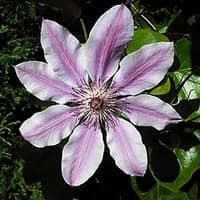 ClematisFull sun – part sun · 8–12 ft. tall
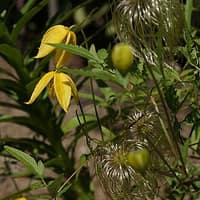 Golden ClematisFull sun – part shade · 12–15 ft. tall
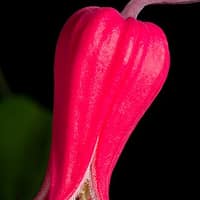 Scarlet ClematisPart shade · 6–9 ft. tall
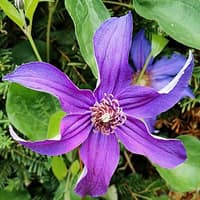 Solitary ClematisFull sun – part shade · 1–3 ft. tall
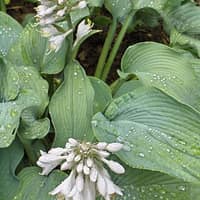
- Part shade – shade
- Moderate water
- 1–3 ft. tall × 1–5 ft. wide
- Blooms June–August
- Zones 3–9
Kansas City: One of the most reliable shade perennials with huge cultivar diversity.
- Pruning: Remove dead foliage after frost or late winter
- Feeding: Light to moderate. Early spring as growth resumes; repeat only for active feeders or repeat bloomers.
- Watering: Water regularly during establishment.
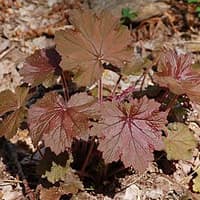
- Part shade
- Moderate water
- 0.7–2.7 ft. tall × 1.5–2 ft. wide
- Blooms June–October
- Zones 3–8
Kansas City: Large, fuzzy leaves and airy late-season flowers; the most heat-tolerant coral bells.
- Pruning: Remove old leaves in spring
- Feeding: Light to moderate. Early spring as growth resumes; repeat only for active feeders or repeat bloomers.
- Watering: Water regularly during establishment.
Photo credits
- Hellebore (Lenten Rose): Wildfeuer / Wikimedia Commons, CC BY 2.5 (source)
- Bearsfoot Hellebore: Wildfeuer / Wikimedia Commons, CC BY-SA 3.0 (source)
- Christmas Rose: Dominicus Johannes Bergsma / Wikimedia Commons, CC BY-SA 4.0 (source)
- Hellebore Ivory Prince: Wikimedia Commons contributor, CC BY-SA 3.0 (source)
- Hellebore Pink Frost: cultivar413 / Wikimedia Commons, CC BY 2.0 (source)
- Peonies: Ulf Eliasson / Wikimedia Commons, CC BY-SA 3.0 (source)
- Hardy Hibiscus: Didier Descouens / Wikimedia Commons, CC BY-SA 4.0 (source)
- Hardy Banana: Illustratedjc / Wikimedia Commons, CC BY-SA 4.0 (source)
- Sedum & perennial succulents: Stan Shebs / Wikimedia Commons, CC BY-SA 3.0 (source)
- Woodland Stonecrop: Fritz Flohr Reynolds from USA / Wikimedia Commons, CC BY-SA 2.0 (source)
- Dragon's Blood Stonecrop: Wikimedia Commons contributor, CC BY-SA 3.0 (source)
- Goldmoss Stonecrop: Ivar Leidus / Wikimedia Commons, CC BY-SA 4.0 (source)
- Sedum Angelina: Frank Vincentz / Wikimedia Commons, CC BY-SA 3.0 (source)
- Iris: Za / Wikimedia Commons, CC BY-SA 3.0 (source)
- Blue Flag Iris: W. Bulach / Wikimedia Commons, CC BY-SA 4.0 (source)
- Dwarf Crested Iris: U.S. Fish and Wildlife Service Southeast Region / Wikimedia Commons, Public domain (source)
- Dwarf Iris: Wikimedia Commons contributor, CC BY-SA 3.0 (source)
- Siberian Iris: W. Bulach / Wikimedia Commons, CC BY-SA 4.0 (source)
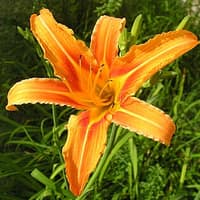
- Daylilies: en:User:Laineypaige / Wikimedia Commons, CC BY-SA 3.0 (source)
- Clematis: Epibase / Wikimedia Commons, CC BY 2.5 (source)
- Clematis: Jolly Janner / Wikimedia Commons, Public domain (source)
- Golden Clematis: Tatiana Gerus from Brisbane, Australia / Wikimedia Commons, CC BY-SA 2.0 (source)
- Scarlet Clematis: Motohiro Sunouchi / Wikimedia Commons, CC BY 4.0 (source)
- Solitary Clematis: Didier Descouens / Wikimedia Commons, CC BY-SA 4.0 (source)
- Hostas: Wikimedia Commons contributor, CC BY-SA 3.0 (source)
- Heuchera (Coral Bells), villosa hybrids: Photo by and (c)2007 Derek Ramsey (Ram-Man) / Wikimedia Commons, CC BY-SA 2.5 (source)


